Older people’s care: ‘Keeping people where they want to be – at home’
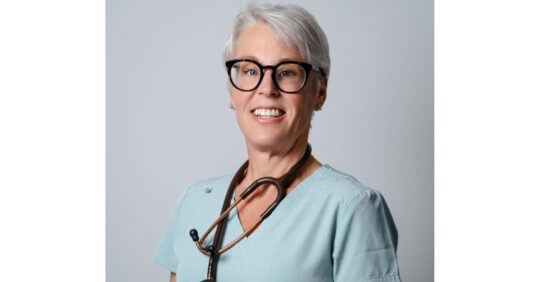


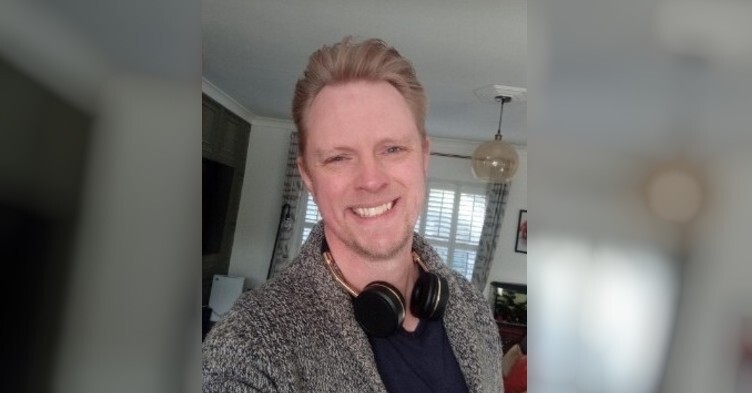
 For Jane Eastwood, advanced clinical practitioner (ACP) at MayBush Medical Centre in Wakefield, nursing is about making care work for people wherever they are in life – whether that is managing complex diabetes, guiding women through the menopause, or supporting frail residents in a local care homes.
With 23 years’ experience – including 12 spent in New Zealand as a district nurse and clinical nurse specialist – Ms Eastwood has combined specialist expertise with advanced practice skills to expand what nursing can deliver in general practice. ‘We keep people where they want to be – at home,’ she says. ‘That’s the most important thing.’
After completing her master’s degree abroad and becoming one of the first nurse prescribers in New Zealand, she returned to the UK in 2016 and retrained as a prescriber before taking on the ACP role in 2019.
‘I went straight in at the deep end,’ she recalls. ‘I’d never been a practice nurse, but I brought in my specialist knowledge of diabetes alongside the ACP skills – assessment, diagnosis, prescribing. In many ways it looks like a GP role, but I’m clear: I’m a nurse with advanced skills, not a doctor.’
She leads on diabetes, runs menopause clinics, and provides acute care as part of the duty doctor rota
Her portfolio at MayBush reflects that breadth. She leads on diabetes, runs menopause clinics, and provides acute care as part of the duty doctor rota. She also delivers weekly ward rounds in two residential homes, covering both older people and adults with learning disabilities or mental health needs. Out-of-hours shifts add another layer to her week.
Diabetes is a central focus, with minimising hospital admissions a key goal. ‘We don’t send many people to hospital – we don’t need to, unless it’s absolutely necessary,’ Ms Eastwood explains. ‘That continuity matters for patients. They know me, they know the practice, and it saves unnecessary trips into secondary care.’
Another passion is menopause care. She is currently working towards the British Menopause Society Advanced Certificate to become an accredited specialist. ‘I’ve set up a menopause café in the community and I also work with workplaces to improve awareness. It’s about making it easier for women to access support, whether they’re 20 or 70.’
Ms Eastwood’s work in care homes is another area where the advanced practice role shows its value. She visits weekly, but the relationships extend far beyond that. ‘The staff, residents and families know me and know how to reach me,’ she explains. ‘The manager will often send things through during the week, and I’ll review medication or do a quick consult. It means small issues don’t become crises.’
She describes the goal simply: ‘We’re there to keep people at home, in the environment they want to be, rather than bouncing in and out of hospital. That includes end-of-life care. We’ll work with the palliative team or the hospice if needed, but we don’t move people if they want to stay.’
She delivers weekly ward rounds in two residential homes, covering both older people and adults with learning disabilities or mental health needs
The results can be profound. Ms Eastwood recalls supporting a woman in her 80s with dementia and lung cancer. ‘She wasted away very quickly, but we kept her comfortable and pain free at home until her family could get back from Australia. That mattered enormously to them.’
The practice can also escalate complex cases to a virtual ward, where hospital consultants provide oversight while patients remain in familiar surroundings.
Medication reviews, prescribing, and coordination with district nurses, mental health services and hospital teams are all part of Ms Eastwood’s role in caring for older people, and she is keen to highlight the human side. ‘It takes trust, time and resilience to build those relationships,’ she insists.
She also pays tribute to the care home staff and the important jobs they do: ‘Many of the carers have been there for decades. They’re incredibly dedicated, and it’s a privilege to work alongside them.’
The pace can be demanding. ‘You’ve got to be vigilant, on the ball, making safe decisions for multiple people,’ she explains. ‘I need my sleep; I need the gym – you can’t go in groggy.’
However, in terms of job satisfaction, the rewards are high. ‘One moment I’m reviewing complex medications, the next I’m chatting with someone in a care home. There’s laughter, there are tears, and it’s all part of it.’
Nurses provide a huge share of day-to-day care in general practice
But despite the central role nurses play in primary care, Ms Eastwood worries that their contribution goes unrecognised. ‘Nurses provide a huge share of day-to-day care in general practice, whether in the surgery or in care homes. But we’re often left out of key decisions,’ she observes.
Her experience in New Zealand showed her a different model. ‘The nursing voice was loud and present at every table where decisions were made. Here, too often, we’re told what to do by GPs. It’s not that nurses don’t want to be involved – the opportunity just isn’t there. And that’s a real shame.’
Pay and conditions are also a concern. ‘We don’t have parity with secondary care, and there’s no uniform structure. A lot of practice nurses stay because they love the job, not because the terms are good,’ she reflects.
But for Ms Eastwood, the rewards of the role still outweigh the challenges. ‘I ultimately just enjoy helping people and trying to fix what I can. We can’t fix everything, but we try. And I love the multifaceted nature of the job – the mix of clinical problem-solving and human connection.’
How Nurses Count!
This article is part of the How Nurses Count campaign, showcasing the impact of nurses in general practice.
Jane Eastwood, advanced clinical practitioner at MayBush Medical Centre, Wakefield:
‘Nurses in general practice provide the continuity, the clinical expertise, and the human connection that holds everything together. We’re the bridge between primary and secondary care, between medical intervention and compassionate support. We prevent unnecessary hospital admissions, we manage complex long-term conditions, and we’re there for families at the most difficult times.
‘We keep people safe, supported, and where they want to be – whether that’s in their own home or in a care setting that feels like home. We work across boundaries, building relationships with everyone from hospital consultants to care assistants, because good care isn’t about one person or one service – it’s about the whole system working together.
‘The nursing voice brings something unique to general practice: we see the person behind the condition, we understand how care feels from the patient’s perspective, and we never forget that our job is to help people live their best possible life. That’s why we count – and why the system simply wouldn’t function without us.’

See how our symptom tool can help you make better sense of patient presentations
Click here to search a symptom