Health news watch: what patients read about in May



Here, we look at the clinical stories patients might be reading in the mainstream news media and provide the original evidence behind the stories so that you can answer any questions that may come up. Cahal McQuillan reports.
Younger generations getting sicker sooner
Younger generations are getting sicker earlier than previous generations, largely due to obesity, mental ill health, and diabetes, a study – reported on by The Independent and The Mirror – has found.
The study, conducted by researchers from University College London, King’s College London and the University of Oxford, examined changes in physical and mental health across generations born between 1946 and 2000–02 in the UK.
Based on data from 51 studies covering 88,500 people, the authors found that, while life expectancy has increased dramatically over the past few decades, recent generations are living more years in poor health than those who came before them.
The researchers describe this trend as ‘generational health drift’, and say it has serious implications for policy, planning, and the funding allocations needed to support the growing number of people living with chronic health conditions.
Melanoma skin cancer cases reach record high
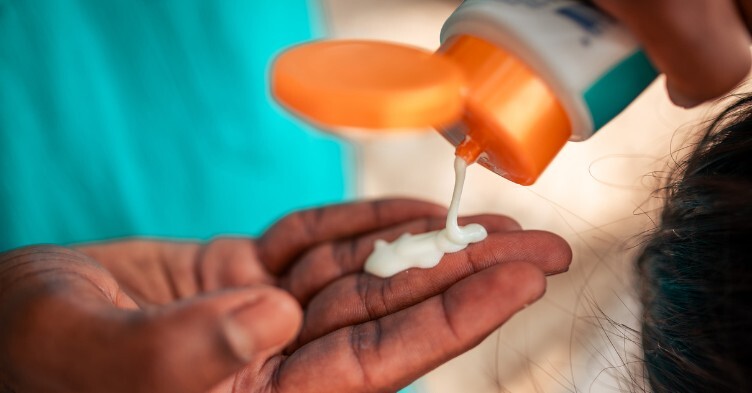
For the first time in the UK, the number of new melanoma skin cancer cases diagnosed in a year has risen above 20,000.
The BBC reported on the story on 22 May after the issue was raised by Cancer Research UK. The charity said that 20,980 new melanoma cases were recorded in 2022, and warned that the figure could rise to 26,500 cases a year by 2040.
According to Cancer Research UK, the projected increase would represent a 23% rise in cases among men and a 26% increase among women over the next 15 years.
The charity added that nearly nine in 10 melanoma cases in the UK were caused by too much UV radiation from the sun and sunbeds.
Obesity rates plateauing in UK
Despite sharp increases over recent decades, obesity rates appear to be levelling off in many developed countries, including the UK, according to research picked up by The Guardian and The Independent.
In the study, published by Nature, the authors analysed 4,050 population-based studies with measured height and weight data belonging to 232 million people to assess the worldwide dynamics of obesity from 1980 to 2024.
Their findings indicate that, while the prevalence of obesity increased in almost all countries over the 45-year period, a rapid increase has now been replaced by a much slower increase – a plateau – or even a potential decline in some high-income countries.
Nevertheless, The Independent highlights that, despite the plateau, the UK maintains one of the highest obesity rates among high-income western nations.
Furthermore, the researchers warn that, in contrast to high-income countries, obesity prevalence continues to rise in many low‑income and middle‑income countries, particularly in Africa, Asia, Latin America, and Pacific and Caribbean island nations.
Antidepressants in pregnancy don’t cause autism or ADHD
Taking antidepressants during pregnancy does not increase the risk of a child developing autism or attention deficit hyperactivity disorder (ADHD), reported a study covered by The Guardian on 14 May.
Published in the Lancet Psychiatry, the study analysed data from 37 existing studies, which included nearly 649,000 pregnant women who had taken antidepressants and almost 25 million women who had not taken antidepressants during their pregnancies.
Before controlling for confounding factors such as pre-existing mental health conditions and genetics, the researchers found that antidepressant use during pregnancy was associated with a 35% increased risk of ADHD and a 69% increased risk of autism.
However, after controlling for these factors, this risk became non-significant, meaning there was no significant link between antidepressant use during pregnancy and a greater risk of autism and ADHD in children.
Polycystic ovary syndrome renamed
After a decades-long campaign, polycystic ovary syndrome (PCOS) has been renamed as polyendocrine metabolic ovarian syndrome (PMOS), The Guardian reported on 12 May.
After 14 years of collaboration between international societies and patient groups across six continents, the name change was published in The Lancet, with leading groups describing the new name as more representative of the condition.
The renaming of the hormonal disorder, which is estimated to affect 170 million people worldwide, came as experts highlighted the misleading nature of the term ‘polycystic’, saying it has contributed to delayed diagnosis and inadequate medical care for years.
On 18 May, a subsequent article in The Guardian noted that experts were urging the NHS to update its information for patients, as the NHS website still contained no mention of the new name or any change to the information provided about the condition.
Nevertheless, experts also warn that care must be taken to introduce the name gradually so as not to confuse patients or detract from efforts to raise awareness about the condition.
Ebola outbreak: emergency of international concern
On 17 May, multiple outlets, including the BBC and The Independent, reported that the World Health Organization (WHO) had declared an outbreak of Ebola disease in the Democratic Republic of the Congo (DRC) and Uganda as a public health emergency of international concern.
At that time, there had been 88 deaths and more than 300 suspected cases. However, as of 26 May, 1,011 cases and 233 deaths have been reported in DRC and seven cases, and one death have been reported in Uganda.
Moreover, on 25 May, two suspected cases of Ebola disease were reported in Italy in two people travelling from Uganda to Lombardy.
According to WHO, the strain of Ebola linked to the outbreak is the Bundibugyo virus, for which there are no approved drugs or vaccines.
Director-general of WHO, Dr Tedros Adhanom Ghebreyesus warned that response efforts to the outbreak are being severely hampered by ongoing conflict in the east of the country, stating that WHO ‘cannot build community trust or isolate the sick while bombs are falling’.
Although humanitarian operations are being rapidly scaled up, WHO warned that the outbreak is outpacing response efforts and neighbouring countries are at high risk from the disease.

See how our symptom tool can help you make better sense of patient presentations
Click here to search a symptom