Addressing health inequalities in dementia care
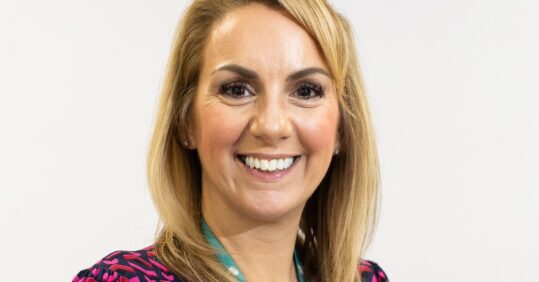


Kerry Lyons of Dementia UK explores the challenges faced by underserved communities, the impact of unequal access to care, and how Dementia UK is working to reduce these gaps through culturally informed support, community engagement and specialist Admiral Nurse services.
Health inequalities remain one of the most significant challenges in dementia care across the UK. For many families, factors such as ethnicity, deprivation, language and geography continue to affect access to diagnosis, treatment and ongoing support. For families living with dementia, these gaps can lead to delayed diagnosis, less access to care that fits their culture, more stress for carers, and worse experiences at the end of life.
As deputy head of Consultant Admiral Nurse Services and lead for the Health Inequalities Team, I help Dementia UK reach families who are often left out of dementia care. Tackling these issues is not just a strategic priority for Dementia UK; it is also the right thing to do for any organisation that wants to provide fair, person-centred care.
Dementia doesn’t occur in isolation; social factors like poverty, housing, education, ethnicity, language, and geography can influence access to care, creating barriers that are especially pronounced for families navigating a dementia diagnosis.
Related Article: Needle-free adrenaline treatment approved for young children
Cultural and linguistic barriers can also make it harder to understand information, communicate needs, and access appropriate services. Financial pressures can limit opportunities to seek help early, exacerbating stress and delaying essential support. Living in rural areas can mean that a person has reduced access to specialist dementia care, longer waiting times, and fewer community resources.
It’s estimated that around one million people are living with dementia in the UK today. The economic impact is significant, with costs estimated at £45bn per year, and projected to rise to £90bn by 2040.
However, increasing demand does not mean equitable access to care. There are still clear inequalities in support received.
People living in the most deprived communities are more likely to be affected. In East London for example, one in six dementia cases is linked to deprivation. Black, African and Caribbean communities are also disproportionately impacted, with over 20% higher rates of dementia, as well as later diagnoses and poorer outcomes.
Women are similarly impacted by inequality, as they are statistically more likely to develop dementia, accounting for around two-thirds of cases. They are also more likely to provide unpaid dementia care, often alongside other responsibilities.
Where someone lives can also shape their experience. Access to specialist dementia support can vary widely, creating a postcode lottery for families already dealing with a complex condition.
Dementia UK is working to address these gaps by expanding access to specialist Admiral Nurse support, particularly for communities that are currently underserved. A cornerstone of this work is the development of specialist culturally informed Admiral Nurse Clinics:
Related Article: 200 cervical cancer deaths prevented by HPV vaccine in England
- Black, African & Caribbean Admiral Nurse Clinics
- Chinese Communities Admiral Nurse Clinics, which have been developed in partnership with the Chinese Welfare Trust
- South Asian Admiral Nurse Clinics, which will launch next year to address unmet needs
These clinics are part of our commitment to listening, learning, and working alongside communities to design care that is relevant, accessible, and culturally meaningful.
Reducing health inequalities in dementia care often comes down to small, practical changes in how services are designed and delivered. Dementia UK focuses on three approaches: community engagement, delivering culturally competent care, and collaboration across services.
Working closely with local organisations, faith groups and community leaders helps build trust and raises awareness. This makes it more likely that families can recognise symptoms earlier and feel more confident seeking support.
Admiral Nurses work with families in a way that reflects their individual values, beliefs and preferences. This can include offering support in different languages, adapting communication styles, and recognising the role of culture, faith and family in decision-making. Stronger links between health, social care and the voluntary sector can make a real difference. This includes flexible clinic models, professional education, and the embedding of culturally sensitive practice in dementia care.
Admiral Nurses play a key role in reducing inequalities by helping families navigate complex systems, access the right support earlier, and receive care that reflects their individual needs and circumstances. Families can access specialist help through:
Related Article: Warning issued over advertising new prescription-only weight loss pill
- Nationwide face‑to‑face clinics
- Virtual and telephone clinics
- The Admiral Nurse Dementia Helpline
- dementiauk.org
Reducing health inequalities in dementia care requires coordinated action across health and social care. By working in partnership and making use of specialist support like Admiral Nurses, services can begin to close these gaps. To find out more or access support for your patients, visit dementiauk.org or contact the Admiral Nurse Dementia Helpline.
Kerry Lyons is deputy head of Consultant Admiral Nurse Services and lead for the Health Inequalities Team at Dementia UK

See how our symptom tool can help you make better sense of patient presentations
Click here to search a symptom