New mothers turning to health visitors and midwives for feeding help, major survey shows



Almost three-quarters of new mothers experiencing feeding difficulties after birth have described turning to health visitors and midwives for help and support, in a major new survey.
The Office for Health Improvement and Disparities (OHID) has published findings from the England Infant Feeding Survey (IFS) 2024, which explores the experiences of new mothers in England while feeding their infants during the first 10 months of life.
Of the more than 10,000 new mothers surveyed, almost three-quarters (73%) said the most common source of help or information with feeding difficulties at home was a health professional, such as a health visitor, midwife or GP.
Almost all mothers (99%) had contact with a health visitor after birth.
However, almost one in 10 mothers (9%) with feeding difficulties at home did not get any help or information about these difficulties.
Related Article: Research links opioid addiction to higher risk of dementia
The IFS, which has been recording data since the 1970s and provides a core evidence base for infant feeding policy, was last published in 2010.
It looks at infant feeding in the first 10 months of life, with data collected from families at three timepoints; two to five months, four to seven months and eight to months of age.
Data collected focuses on breastfeeding, infant formula feeding, the introduction of solid foods and drinks, the use of maternal and infant vitamin and mineral supplements, the infant feeding support mothers received during pregnancy and after birth, and wider contextual information, such as a mother’s wellbeing and their return to work.
Findings are based on mothers’ responses using random sampling from national maternity datasets to select participants.
As well as support at home, nearly all mothers (99%) had attended antenatal appointments and more than four in five mothers (84%) had discussed infant feeding during their antenatal check-ups.
In the first few days after their baby was born, 55% of mothers received in-person help with putting their baby to the breast, while 10% of mothers did not get any help. Some 21% of mothers felt they did not need any help, and 13% of mothers did not want to breastfeed.
Of the mothers who would have liked to breastfeed for longer, more than half (53%) reported the factor that would have helped most was if their baby could have latched on easier.
Three in 10 mothers (30%) said more support from hospital staff would have helped them breastfeed for longer.
Related Article: UKHSA issues ‘urgent’ public health notice for nurses on Ebola outbreak
More than a quarter of mothers (28%) said breastfeeding being less painful would have helped them continue.
Around one in five mothers (21%) said more support from community midwifery teams would have helped them breastfeed for longer.
The Institute of Health Visiting (iHV) has welcomed the findings, stating the survey provides ‘valuable insight’ into feeding behaviours.
However, it has highlighted the findings likely exclude the voices who ‘face the greatest barriers to participation’.
It has called for better ‘focus, investment and leadership’ to ensure families have access to education and support about feeding.
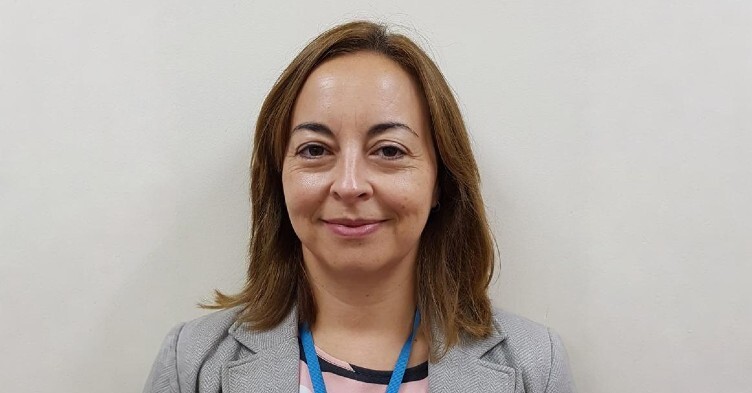
Chief executive Alison Morton said: ‘The survey provides valuable insight into infant feeding behaviours, including the influence of commercial drivers on families.
Related Article: Interview: Nurses urged to have ‘a lower threshold’ for thinking about syphilis
‘However, these findings also remind us that progress is uneven and fragile. The findings reflect the voices of those who responded but inevitably exclude women who may face the greatest barriers to participation – and we need to ensure that their voices are also heard.
‘There remains a clear need to maintain focus, investment and leadership to secure continued improvement.
‘All women and families must have access to consistent, evidence-based support to make informed infant feeding decisions and to continue breastfeeding for as long as they wish.’

See how our symptom tool can help you make better sense of patient presentations
Click here to search a symptom