HIV diagnoses fall by 4% across UK
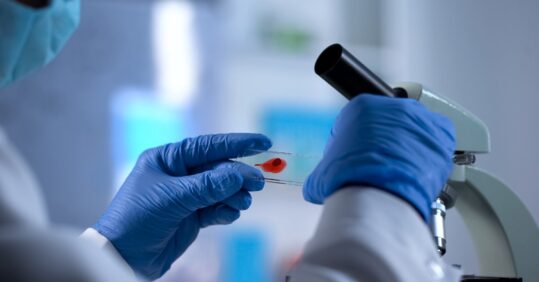


New HIV diagnoses have fallen by 4% from 2023 to 2024 – marking what has been described by the UK Health Security Agency (UKHSA) as ‘encouraging progress’ in efforts to reduce transmission.
Latest UKHSA data saw HIV diagnoses drop from 3,169 in 2023 to 3,043 across the UK in 2024.
The government agency said England continued to ‘excel in HIV prevention, treatment and care’, with 95% of all adults with HIV diagnosed, 99% of adults diagnosed receiving treatment, and 98% of adults on treatment having supressed viral loads.
Deaths among people living with HIV also decreased by 14% from 751 to 643 between 2023 and 2024.
Related Article: TikToks promoting ‘dangerous’ sunscreen misinformation attract more engagement
However, testing and treatment inequalities persist, the data found. HIV testing rates fell by 7% in young people aged 15 to 24 despite increasing across all other age groups.
This cohort also had the lowest treatment rates at 96% compared to 99% for all other age groups, and only 91% had viral suppression, meaning they cannot pass HIV on through sex.
Overall, HIV testing in sexual health services increased by 3% and contact tracing – where the sexual partners of people newly diagnosed with HIV are contacted and encouraged to have an HIV test – remained ‘highly effective’.
Access to Pre-Exposure Prophylaxis (PrEP) – a medicine taken by people at risk of HIV to prevent them from developing the disease – also varied across different demographics.
The highest uptake of PrEP was among white (79.4%) and ethnic minority (77.8%) men who have sex with men, while Black African heterosexual women (34.6%) and men (36.4%) had much lower uptake rates.
Geographic variations were also found, with diagnoses decreasing in London but increasing outside of London among heterosexual men.
Half of Black African heterosexuals were diagnosed ‘late’ compared to under a third of gay and bisexual men, the UKHSA said.
Related Article: Adult social care vacancies fall to decade low as registered nurse numbers rise
And 42% of all new cases in England were late diagnoses, with adults diagnosed late 10 times more likely to die within a year compared to adults diagnosed quickly.
Head of HIV section at UKHSA, Dr Tamara Djuretic, said it was ‘excellent’ to see new HIV diagnoses fall and high levels of people on treatment having suppressed viral loads.
‘However, we’re concerned about poorer testing and treatment outcomes among young people, who are at a crucial stage for establishing healthy sexual behaviours,’ she said.
Dr Djuretic stressed the importance of early diagnosis and encouraged sexually active people to get regularly tested. The treatment for HIV is highly effective and those who test positive can expect to life ‘a long, healthy life’ with the proper care, she added.
HIV tests and PrEP are free and confidential through the NHS and local sexual health services.
Related Article: Nine in 10 midwives say ‘unsafe’ staffing levels impacting care for women and babies
The Department of Health and Social Care (DHSC), with UKHSA, NHS England and partners, continue to develop the next HIV Action Plan which will be published this year.
This article was originally published by our sister title The Pharmacist

See how our symptom tool can help you make better sense of patient presentations
Click here to search a symptom