Greater awareness and wider vaccination needed on meningitis, says charity nurse
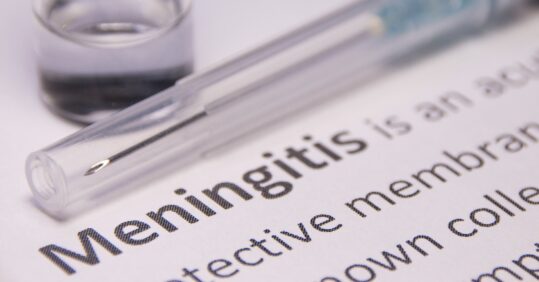


A registered nurse and charity director at Meningitis Now has stressed the need for greater public awareness of meningitis and wider vaccination against the group B strain.
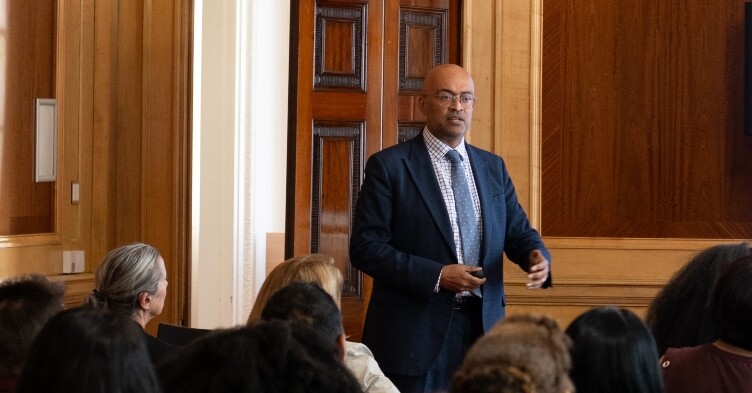
In an interview with Nursing in Practice, director of information and support Sue Rogers said the ongoing meningitis outbreak in Kent was ‘very unusual and deeply shocking’, but also a reminder of the need for more awareness around the disease.
She highlighted the charity’s ongoing campaign, No Plan B for MenB, which was launched last year to address the rising concern of MenB in teens and young people who are unvaccinated.
Her comments come as the government has today announced that a targeted MenB vaccination programme is to be launched for some students at the University of Kent in response to an ongoing outbreak which has seen the death of two students.
Related Article: NMC pledges ‘meaningful and lasting change’ following Nottingham review
The UK Health Security Agency (UKHSA) has confirmed that four cases have been identified as the MenB and 11 other cases remain under investigation.
It has warned this is a ‘rapidly evolving situation’ and there ‘may be further cases’ as precautionary antibiotics are being offered to some students in Kent.
Under current national procedures, vaccines are available to prevent some types of meningitis, including the MenACWY vaccine for protection against MenA, MenC, MenW, and MenY offered to teenagers in school Years 9 and 10.
However, the vaccine for MenB was only introduced for babies at two months, three months and 12 months in 2015, meaning many current students have not been offered it. The MenB vaccine has been available to access privately for up to £200.
Ms Rogers said the fact that young people were not offered a MenB vaccine routinely through the NHS was ‘an inequality in itself’ and suggested it was down to a government ‘cost effectiveness’ issue.
‘There is no MenB vaccination [for young people] and it’s the most common variant of the disease in the UK at the moment.’
As well hopes to add the MenB vaccine into the national vaccination schedule more widely, Ms Rogers added that the charity’s campaign also seeks to introduce a booster programme for adolescents by 2030.
Ms Rogers said: ‘I think people have a wide range of opinions around vaccinations, so our messaging is that the only way to ensure you don’t get meningitis is to be vaccinated.
Related Article: Care minister keen to ‘explore’ single national care visa
‘It’s a very devastating disease… we need to be working towards a world where nobody is losing their lives to this.’
Ms Rogers added that the outbreak is Kent was ‘very unusual and deeply shocking’.
‘We thought this was something of the past because of vaccinations and better awareness,’ she said.
‘But it just shows that we need to be really at the forefront of this awareness raising.’
Related Article: TikToks promoting ‘dangerous’ sunscreen misinformation attract more engagement
She has urged people to sign the charity’s petition and highlighted its nurse-led helpline for healthcare professionals and anyone impacted directly or indirectly by meningitis.
The UKHSA is continuing to rollout preventative antibiotic treatment in Kent and is working with the University of Kent and Club Chemistry in Canterbury, where those impacted by the disease frequented, to ‘limit the spread’.
Meanwhile, the Joint Committee on Vaccination and Immunisation (JCVI) has been asked by the health secretary to ‘reexamine eligibility’ for meningitis vaccines more widely.

See how our symptom tool can help you make better sense of patient presentations
Click here to search a symptom