Updated shingles vaccine guidance clarifies eligibility and programme expansion
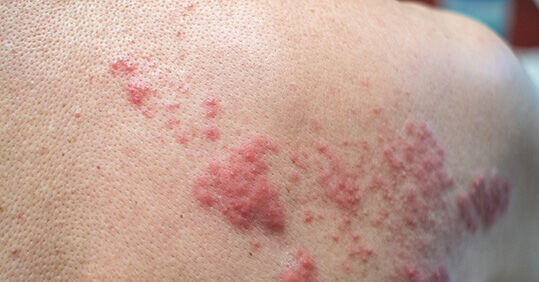


NHS England has published updated technical guidance for GP practices on the shingles vaccination programme, outlining eligible cohorts and plans to expand the programme over the next decade.
The document – General Practice Shingles Vaccination Programme Technical Guidance, Version 4.0 – highlights the full replacement of the Zostavax vaccine with Shingrix, which must be offered year-round to eligible patients.
Since changes to the shingles vaccine programme from 1 September 2025, the vaccine has been offered to all severely immunocompromised individuals aged 18 and over.
Related Article: Warning issued over advertising new prescription-only weight loss pill
These patients should receive two doses, with the second administered eight weeks to six months after the first. There is no upper age limit, and patients who miss the six-month window can still receive the second dose without restarting the course.
Immunocompetent patients are also eligible as part of a phased implementation that began in September 2023 and will continue until 2033.
During the first stage – running until 31 August 2028 – practices should offer the vaccine to patients turning 65 or 70. These individuals remain eligible until their 80th birthday, with flexibility to receive a second dose up to age 81.
For the immunocompetent cohort, the second dose should be given between six and 12 months after the first. As with the immunosuppressed cohort, a second dose can still be given after the 12-month window without restarting the course.
Related Article: Carers of people with dementia report reaching ‘breaking point’
A second stage expansion is proposed for September 2028 to August 2033, subject to confirmation. Following this, shingles vaccination would be routinely offered to those turning 60.
According to the guidance, patients previously vaccinated with Zostavax as part of the NHS programme do not require re-vaccination. However, those who received Zostavax privately or before the national rollout should be offered Shingrix once they reach the appropriate age.
Practices are required to call and recall all cohorts as individuals become eligible and can also offer vaccination ‘opportunistically’, if clinically appropriate when an individual attends the practice for another reason, the guidance states.
Related Article: Rheumatoid arthritis patient trial backs up vaccination advantages of methotrexate delay
It also reminds practices to manage vaccine stock responsibly, holding no more than two weeks of supply and ensuring local stocks of vaccine are rotated in fridges to avoid wastage.
In 2024, a University of Oxford study linked the use of the Shingrix vaccine to a 17% reduction in dementia diagnoses.

See how our symptom tool can help you make better sense of patient presentations
Click here to search a symptom