Employers urged to protect maternity staff as heatwave temperatures soar
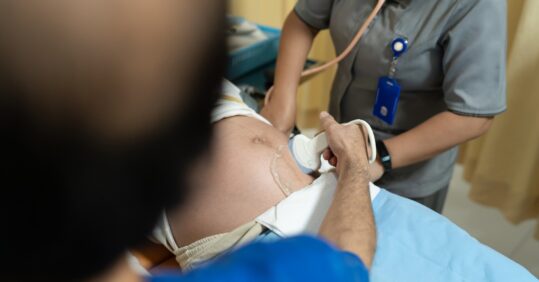


The Royal College of Midwives (RCM) has urged NHS employers to take steps to protect maternity staff, women and babies during the current heatwave, while also calling for greater investment in maternity facilities that it says are increasingly unfit for periods of extreme heat.
The warning comes as temperatures are forecast to reach 38°C this week during what is the UK’s second heatwave of 2026.
Related Article: Multimillion-pound fund opens for projects aimed at improving men’s health
According to the RCM, many maternity units suffer from overheating and poor ventilation, creating difficult conditions for both staff and patients.
The issue forms part of the organisation’s ongoing ‘Your birthplace, our workplace’ campaign, which highlights concerns about the condition of maternity buildings.
The RCM highlighted that maternity staff working long shifts on busy wards and in clinics can be particularly vulnerable during hot weather, especially where access to cool rest areas and regular hydration breaks is limited.
High temperatures can also make labour more uncomfortable for women, the college observed, noting that maternity teams are likely to face additional demand during the heatwave as they support pregnant women experiencing heat-related concerns.
Related Article: NMC pledges ‘meaningful and lasting change’ following Nottingham review
Robbie Turner, chief membership officer at the RCM, said: ‘Midwives and maternity support workers work tirelessly to provide safe care for women and babies, often in challenging conditions.
‘Investing in maternity services isn’t a luxury – it’s essential. Safe, comfortable working environments support staff wellbeing and create a better experience for women, babies and families.’
The RCM is calling on employers to ensure staff have access to regular breaks and cold drinks, take practical measures to keep buildings cool, and carry out risk assessments to help staff remain safe and hydrated.
Related Article: Care minister keen to ‘explore’ single national care visa
The college is also urging NHS organisations to ‘climate-proof’ maternity facilities through measures such as improved ventilation, air-cooling systems and greater energy efficiency.
In addition, it has encouraged employers to consult staff and trade unions on how best to manage the impact of extreme heat in maternity settings.

See how our symptom tool can help you make better sense of patient presentations
Click here to search a symptom