
Hospitalisations spark criminal investigations into illegal Botox
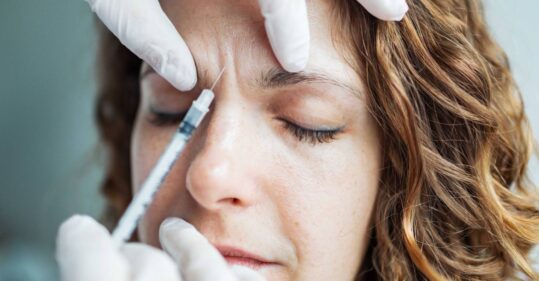


The UK’s leading authority for medicines safety is cracking down on the illicit trade of unlicensed Botox products used in cosmetic procedures following a ‘spike’ in hospital admissions linked to their use.
The Medicines and Healthcare products Regulatory Agency (MHRA) is targeting individuals that trade unlicensed botulinum toxin (Botox) products following 41 confirmed cases of botulism between 4 June to 6 August of this year.
Reported cases of botulism have been identified across England by the UK Health Security Agency (UKHSA), including in the North East, East Midlands, East of England, North West and Yorkshire and Humber.
The MHRA’s Criminal Enforcement Unit has launched ‘a number of criminal investigations’ into the situation.
The unit has seen evidence that some sellers and practitioners, that are often untrained, are obtaining unlicensed botulinum toxin products illegally and offering injections in unsafe and unregulated settings, the government has said.
Treatments have been delivered in informal settings including kitchens, hair salons and mobile beauty services.
Related Article: New regulations to crack down on ‘cowboy’ cosmetic procedures
What is botulism?
Botulism caused by botulinum toxin in cosmetic procedures is rare but a potentially life-threatening illness.
Symptoms can take up to a month to develop and include difficulty swallowing, slurred speech and breathing difficulty.
In some cases, patients require mechanical ventilation and intensive care treatment.
Patients are being reminded by the government to check they are being treated by a medically qualified practitioner who is registered with their professional body.
The government is warning that members of the public are often drawn to unregulated practitioners via adverts on social media which promise ‘quick, cheap results’.
Minister for care Stephen Kinnock said nobody should face illness or risk their life because ‘criminals are flooding the market’.
‘This government is determined to crack down on cosmetic cowboys who exploit vulnerable consumers seeking cut-price treatments outside suitable medical settings,’ he said.
‘Through the MHRA’s criminal investigations and our new regulations, we’ll use the full force of the law against those who supply unlicensed medicines.
‘I would urge anyone considering a cosmetic procedure to consider the risks and find a reputable, insured, and qualified practitioner.’
Anyone caught selling or supplying unlicensed botulinum toxin faces up to two years in prison and unlimited fines under the Human Medicines Regulations 2012.
Andy Morling, head of the MHRA’s criminal enforcement unit, said criminals are ‘putting profit before safety and ‘endangering lives’.
Related Article: Reports of unregulated procedures taking place in public toilets and hotel rooms
‘The 41 individuals we’ve seen between June and August left seriously ill represent the devastating human cost of this trade,’ he said.
‘We are working across the country to identify those responsible, seize illegal products, and bring cases to court. We use the full range of our enforcement powers and techniques to shut down these operations and bring offenders to justice,’ Mr Morling added.
The ongoing crackdown is part of the MHRA’s wider efforts to prevent illegal botulinum toxin supply.
Since May 2023, the Criminal Enforcement Unit, working closely with its partners in Border Force, has seized over 4,700 vials of unlicensed botulinum toxin.
The Criminal Enforcement Unit is also working with social media companies to remove illegal listings and target criminal networks advertising unlicensed botulinum toxin.
The MHRA is urging anyone who experiences side effects or complications after a cosmetic procedure to report them via the Yellow Card scheme.
Related Article: Views sought on restricting some cosmetic procedures to health professionals only
Also last month, the government introduced measures to ensure only qualified healthcare professionals such as nurses will be able to perform ‘high-risk’ cosmetic procedures, such as Brazilian Butt Lifts.
Also in June, the Women and Equalities Committee (WEC) launched an inquiry into the effectiveness of current regulations covering surgical and non-surgical cosmetic procedures, such as breast implants.

See how our symptom tool can help you make better sense of patient presentations
Click here to search a symptom