
‘Increasing burden’: 69% of GPNs seeing patients following overseas surgery issues
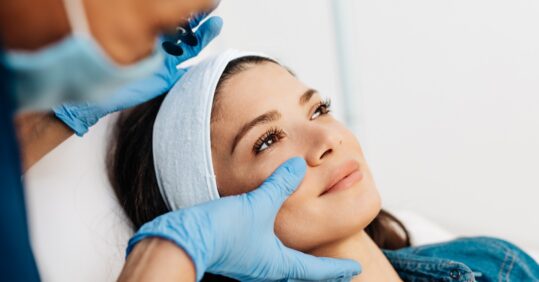


Almost seven in 10 general practice nursing staff have reported seeing patients who have suffered health problems because of a surgical or cosmetic procedure carried out abroad in the past year, a Nursing in Practice survey has revealed.
Those from across the profession have suggested the issue is on the rise and stressed that nurses must be supported to manage ‘the increasing burden of complications’.
New findings from a Nursing in Practice survey of 490 general practice nursing staff found that 69% of respondents said they had cared for patients who faced complications after going overseas for a cosmetic procedure or surgery in the past year.
Of those who responded to the survey, which was carried out in July 2025, over a third (36%) said they had contact with one or two such patients in the last year.
A quarter (25%) said they had cared for between two and nine such patients in the same period.
A small number (7%) said they had encountered more than 10 patients needing care following complications from an overseas procedure.
Related Article: New regulations to crack down on ‘cowboy’ cosmetic procedures
Helen Blanchard, an independent nurse prescriber and registered aesthetic nurse, said the number of people requiring private follow up care has risen ‘exponentially’ at her private cosmetics clinic in recent years, especially since the Covid-19 pandemic.
Ms Blanchard, who previously worked as a general practice nurse for nearly two decades, said the clinic where she works has received 93 cases of concerns from patients who had treatment abroad in the past year.
‘There are good setups abroad and those good setups have all the aftercare which they’ve built in,’ she told Nursing in Practice.
‘But ensuring that aftercare is very difficult to police.’
Ms Blanchard explained how most patients who come to her clinic initially intended to get an appointment with a practice nurse but were unable to do so due to long waiting lists and appointment delays.
This issue is gathering increasing attention, with the government recently launching a new online campaign with the social media platform TikTok to ensure that people have access to ‘clear, reliable advice’ before travelling overseas for cosmetic or medical procedures.
During a discussion at the Royal College of Nursing (RCN) Congress in May several nurses, including those working in general practice and the community, described their frontline experiences of caring for patients with a range of health complications following overseas cosmetic surgeries.
Practice nurse and RCN GPN Forum member La Toya de Freitas joined the discussion and stressed that nurses in general practice ‘see a lot of patients who have had surgery abroad’.
‘The view of our general practice nurses is that it is causing a strain on the NHS because we’ve seen them when things have gone wrong,’ Ms De Freitas said.
In our survey, practice nurse told Nursing in Practice that some patients who had surgeries abroad were having to attend wound clinics.
Related Article: Nurse prescribers must use in-person consults for non-surgical cosmetic meds from June
One advanced nurse practitioner (ANP) described having to admit two patients as ‘surgical emergencies’ following bariatric surgeries completed overseas.
Another ANP said patients returning from gastric sleeve surgeries in Turkey were the ‘most prevalent’ in facing medication and surgical complications after arriving back in the UK.
A spokesperson for the British Association of Medical Aesthetic Nurses (BAMAN) said: ‘While many individuals travel overseas seeking lower costs or faster access, the reality is that some procedures are carried out in environments that lack the regulatory and clinical safeguards expected in the UK.’
‘We continue to call for a coordinated national response, including public education campaigns, to ensure that patients understand the risks of cosmetic surgery abroad and that healthcare professionals are supported in managing the increasing burden of complications.’
Nora Nugent, president of the British Association of Aesthetic Plastic Surgeons (BAAPs), told Nursing in Practice that the organisation had also seen a rise in patients needing follow-up care after undergoing surgery abroad, with patients requiring intensive care following complications including minor wound issues and severe infections like septicaemia.
‘While complications can occur after any surgery, patients often face significant challenges accessing aftercare from their original surgeon overseas, leaving them with no option but to seek help from the NHS,’ she said.
Related Article: Reports of unregulated procedures taking place in public toilets and hotel rooms
‘We are working closely with other professional associations, the Department of Health, and the Women and Equalities Committee (WEC) to improve this issue.’

See how our symptom tool can help you make better sense of patient presentations
Click here to search a symptom



