Paracetamol is safe ‘first choice pain relief’ for pregnant women
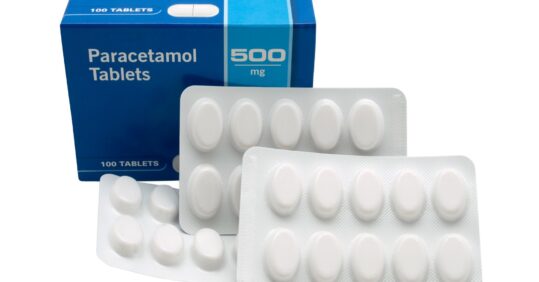


Nurses and other health professionals should follow advice from UK regulators and continue to advise pregnant women to take paracetamol as their first choice of pain relief where appropriate.
Paracetamol remains a safe and effective method of pain relief for patients, the Medicines and Healthcare products Regulatory Agency (MHRA) has said.
A statement from the chief safety officer at the MHRA, Dr Alison Cave, said that advice on medicines in pregnancy is based on ‘rigorous assessment of the best available scientific evidence’ and ‘carefully evaluated by our independent scientific experts’.
She also said that, while paracetamol poses no risk to an unborn baby, untreated pain and fever can, so it is important to manage these symptoms with the recommended treatment.
Related Article: Nine in 10 midwives say ‘unsafe’ staffing levels impacting care for women and babies
The Department of Health and Social Care has also issued a briefing on the matter, stating that paracetamol is safe to use during pregnancy and that paracetamol ‘remains a recommended painkiller during pregnancy when used as directed’.
These statements were issued following baseless, unevidenced claims made by US President Donald Trump that the use of paracetamol in pregnancy is linked to an increased risk of autism.
Health secretary Wes Streeting urged the public not to ‘pay any attention whatsoever’ to the claim on the Lorraine show on Tuesday morning.
‘In fact, don’t even take my word for it as a politician. Listen to British doctors, British scientists, the NHS.
‘We’ve got to follow the evidence, and I think it is so important that people do that – especially at a time when children in this country are dying of measles, and whooping cough,’ he said.
In August, the UK Health Security Agency (UKHSA) called on parents to ensure that children were up to date with their measles, mumps and rubella (MMR) vaccinations, as latest figures found a continued increase in measles cases across England.
Related Article: New treatment to delay onset of type 1 diabetes approved for NHS use
Dr Amanda Doyle, national director for primary care and community services at NHS England, said at the time: ‘Vaccination is the best protection against measles, which is highly contagious and can cause serious health problems.’
Since January 2025, there have been 742 laboratory confirmed cases of measles in England according to the UK Health Security Agency (UKHSA) dashboard.
It was recently reported that almost a fifth of children in England who turned five in the 12 months before April 2025 did not reive their pre-school booster jab.
Dr Mary Ramsay, director of immunisation at UKHSA, said measles was a ‘canary in the coal mine’ and a wake-up call that ‘urgent action is needed to stop the very real risk of other diseases re-emerging’.
Related Article: Government social care reform update pledges dementia framework
A version of this article was first published by our sister title The Pharmacist

See how our symptom tool can help you make better sense of patient presentations
Click here to search a symptom