RSV vaccination during pregnancy reduces infant hospitalisations, finds study
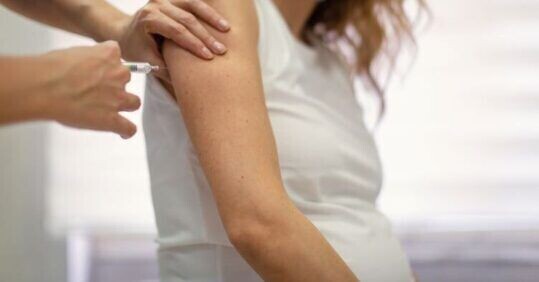


Respiratory syncytial virus (RSV) vaccination during pregnancy reduces infant hospitalisations by around 80%, new research shows.
A large, real-world study in Scotland found that babies under three months old, whose mothers had received the vaccine, were far less likely to be hospitalised with RSV than babies with unvaccinated mothers. Premature babies, who are at the highest risk from RSV, were also well protected if their mothers had been vaccinated.
Researchers working in collaboration with Public Health Scotland (PHS) found that after the vaccine programme began in August 2024, there were 219 fewer hospital admissions for severe RSV in infants during the winter season, despite similar RSV circulation levels in the previous year.
Related Article: NMC pledges ‘meaningful and lasting change’ following Nottingham review
The findings, published in The Lancet Infectious Diseases, highlight the positive impact of the new RSV vaccine on infant health across Scotland.
RSV is a seasonal viral infection that is particularly dangerous for young babies. Since August 2024, all pregnant women in Scotland have been offered a vaccine at 28 weeks, which can provide protection against RSV and enables them to pass protective antibodies to their unborn child if vaccinated at the right time. A similar programme was launched in September 2024 in England, Wales and Northern Ireland.
The researchers conducted a retrospective nested case-control study with all singleton babies born in Scotland between August 2024 and March 2025 to assess whether the RSV vaccine provided protection in the first 90 days of life.
Using data from maternal vaccination records and infant hospitalisation records, the researchers determined the number of babies hospitalised within the first 90 days of life with a lower respiratory tract infection (LRTI) and who had a positive RSV PCR test at admission. The researchers matched each case to 10 control cases, with no RSV-positive test and no RSV-related hospital admission during the equivalent period.
The babies were categorised by the time their mothers received the vaccination. Babies categorised as having full protection had mothers who received the vaccine more than 14 days before birth, sub-optimally immunised babies had mothers vaccinated within the two weeks before delivery, and some babies had no protection as a result of unvaccinated mothers.
Related Article: Care minister keen to ‘explore’ single national care visa
The findings show that babies whose mothers are vaccinated against RSV have the highest levels of protection from RSV. Babies of vaccinated mothers have around 80% less chance of being admitted to hospital with RSV-related issues in their first three months of life, compared to those babies with unvaccinated mothers.
Vaccination from 28 weeks onwards is recommended to pass on the maximum benefit to unborn children. Women vaccinated within 14 days of giving birth did not transfer sufficient antibody protection to their infants.
In 2023-24, before the first vaccination campaign, nearly 600 babies under three months of age were admitted to Scottish hospitals with severe RSV infections. In contrast, following the vaccination programme and the subsequent protection, the reduced odds of babies contracting RSV translate into 219 fewer hospital admissions of infants with severe RSV-related illness during the winter period.
Professor Antonia Ho, Professor of Infectious Diseases at the University of Glasgow Centre, said: ‘This study shows that maternal vaccination can reduce the risk of RSV-related hospital admissions by around 80% in the first three months of life.
Related Article: TikToks promoting ‘dangerous’ sunscreen misinformation attract more engagement
‘We hope that these results will encourage more women to take up the vaccine, not only to protect their babies, but also to reduce the burden on health services over winter months.’
In August, England’s chief midwifery officer issued an appeal to eligible pregnant mothers to get vaccinated against RSV ahead of the winter, as the number of cases continued to rise.

See how our symptom tool can help you make better sense of patient presentations
Click here to search a symptom