QICN launches new strategy to put community nurses ‘at heart of health policy’


The Queen’s Institute of Community Nursing (QICN) has unveiled a new five-year strategic plan designed to position the profession at the centre of health and care reform across the UK.
The 2026-2030 strategy sets out how the charity intends to strengthen its role, expand its influence over national policy and ensure that community nurses are fully recognised in the design and delivery of future services.
Related Article: General Practice Awards 2026: entry deadline extended to 16 June
The plan is designed to align closely with the national health and care priorities in England and the devolved nations, particularly the ‘three shifts’ from hospital to community, analogue to digital, and sickness to prevention.
The new plan outlines six strategic priorities:
Related Article: Northern Ireland’s CNO condemns ‘utterly horrific’ racist attack against nurse
- Policy influence: engaging with government departments and think tanks to shape the neighbourhood health model
- Data and evidence: building research partnerships to inform national debates
- Innovation and quality improvement: testing and evaluating new care models
- Leadership development: empowering a diverse network of Queen’s Nurses and fellows and influencing through an all-party political group for nursing in England
- Wellbeing and support: focusing on the personal and professional needs of community nurses
- Financial sustainability: securing long-term impact through fundraising, income generation, organisational membership and education
The QICN said it aims to ‘expand its strategic reach and ensure that community nurses are at the heart of health and care policy’.
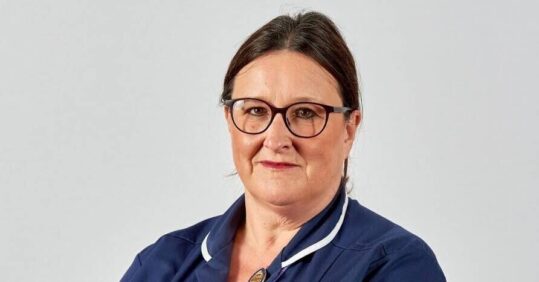
QICN chief executive Steph Lawrence said: ‘The QICN will be the organisation called upon to shape national policy. Community nursing is changing rapidly.
‘By empowering nurses to raise their voices and by providing independent, data-driven intelligence, we will ensure the unique contribution of the community nursing team is recognised at every level.’
Related Article: Two children have died from measles in England this year, new UKHSA data shows
John Unsworth, chair of council, said the strategy marked ‘the next stage in the evolution of the institute’ and would support the development of ‘world leading’ universal health coverage.

See how our symptom tool can help you make better sense of patient presentations
Click here to search a symptom