‘Practices can’t commit to a pay rise for nurses that they can’t afford’



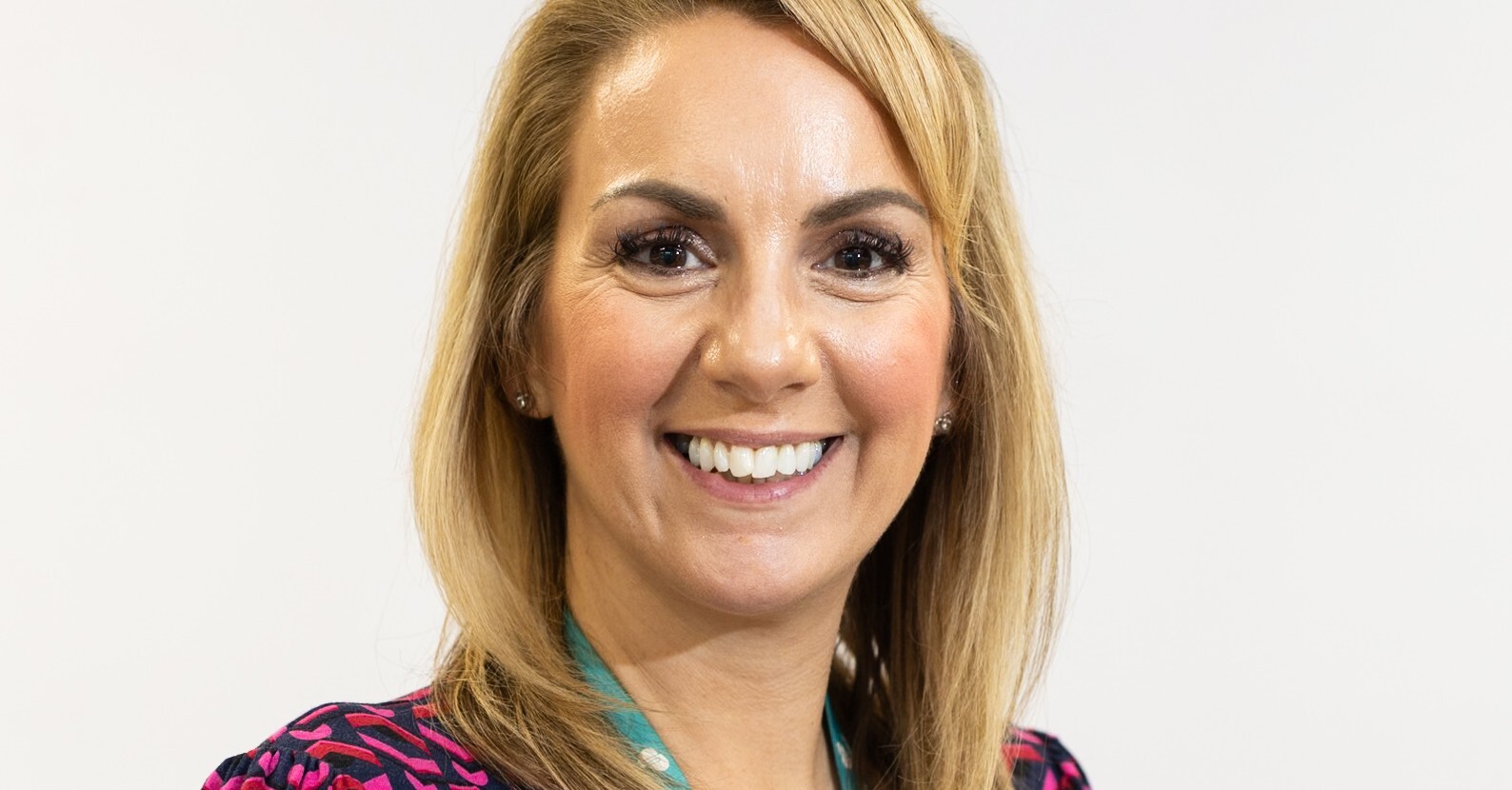
Dr Sarah Jacques, co-GP lead for the Doctors’ Association UK (DAUK), highlights that while GP partners highly value their nursing teams and are committed to retaining them, financial pressures facing practices and the exclusion of many practice nurses from Agenda for Change makes the issue of pay a significant challenge. This article comes as part of our General practice nurse pay: A salary survey of the profession 2026 report.
General practice nurses are absolutely central to the delivery of modern primary care. They manage long-term conditions, deliver preventative care, support screening programmes, and are often the healthcare professionals that patients see most frequently.
From a GP perspective, there is no question that nursing teams are highly valued, and practices rely on their skill, continuity and patient relationships every day.
However, the reality is that practice nurse pay sits within a very different system to hospital nursing.
GP practices are independent businesses operating under contract, and partners are responsible for balancing staffing costs against a fixed and often constrained funding envelope. Unlike Agenda for Change roles, there is no nationally mandated pay scale or automatic uplift, which creates variability and, at times, inequity.
The challenge for partners is not a lack of willingness to reward staff, but the financial pressures practices are currently under.
The 2026/27 contract uplift equates to around a 3.6% cash increase, or roughly 1.4% in real terms. In practice, much of this is already absorbed by rising costs – including a 6.7% increase in the National Living Wage, higher employer National Insurance contributions, and ongoing inflation in utilities and premises. Many practices report that the global sum does not fully cover core staffing costs.
This leaves partners making difficult decisions.
Some practices are offering around 2–2.5% pay increases, reflecting what they believe is funded within the contract, while others are trying to match or come close to Agenda for Change uplifts at around 3.5% on moral and retention grounds.
In many cases, decisions are delayed or backdated until funding is confirmed, as practices simply cannot commit to increases they may not be able to afford.
There is also a wider tension around how pay rises are structured. The partnership model does allow flexibility to reward staff who go above and beyond, which many see as a strength.
However, performance-related pay in small teams carries significant employment law risks, particularly around perceived discrimination. As a result, many practices default to blanket pay rises, even where this may feel unfair to higher-performing staff.
Despite these constraints, the intention across general practice is clear: to retain and support valued nursing colleagues.
Many partners consciously choose to prioritise cost-of-living increases for lower-paid staff, recognising both the financial pressures they face and the importance of maintaining a stable workforce.
Ultimately, the issue of practice nurse pay cannot be separated from the wider funding model for general practice.
If we want to see equitable, competitive and consistent pay for nursing teams, there needs to be sufficient, clearly allocated funding to support this. Without that, practices will continue to face the difficult task of balancing financial sustainability with doing what they know is right for their staff.

See how our symptom tool can help you make better sense of patient presentations
Click here to search a symptom