What’s next after CQC’s warning over nurse shortages?
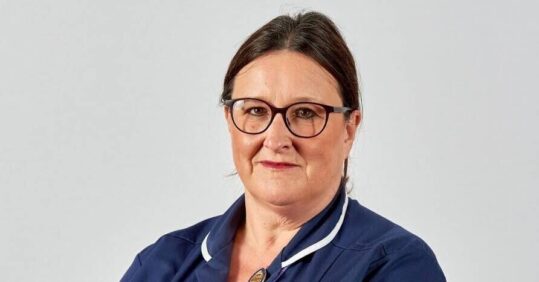


The Care Quality Commission’s latest report makes for difficult reading, says Steph Lawrence, chief executive of the Queen’s Institute of Community Nursing (QICN).
I am writing this having read the CQC’s State of Care report 2024-25. This makes for gloomy reading for community nursing.
Having previously worked at the CQC for three years as their national professional adviser for community services, I should first say that I am delighted that they have finally written something so comprehensive in relation to community services and nursing in particular.
The CQC has known about capacity issues in the community for some time, so it is positive they are finally reporting on it. It says a shortage of qualified staff in district nursing is contributing to a risk of erosion in care quality, with longer waits, reduced access and poorer outcomes.
Related Article: CQC issues warning over shortage of district nurses
To see this issue laid bare is welcome, but it is very concerning for nurses, patients and families.
This report raises areas that the QICN has been talking about for a long time – that care not done, or to say it another way, ‘community corridor care’, is something that has been an ongoing concern.
We have been calling on Government to ensure this is understood nationally and have even offered our support, but to date have had no response!
When we talk about care not done, we mean care across the spectrum of community services, from general practice nursing where there might not be enough appointments available, to adult social care nursing where there may only be one nurse to many residents in a care home, through to community nursing teams with a caseload of adults and children where care has to be deferred.
We know there are capacity gaps in all aspects of community nursing services: community nursing, with particular and severe gaps in the district nursing workforce, adult social care nursing, general practice nursing, community children’s nursing, community mental health and learning disability nursing.
Without focus and investment on these crucial areas, the NHS 10 Year Health Plan becomes a pipe dream.
Related Article: CQC finds ‘risk of harm’ due to nurses working ‘excessive hours’ at care home
There must be greater investment in these services; and without it, more burnt-out staff will leave the community or leave nursing altogether. Patients will suffer, and more care will be left not done.
We are also seeing a growing number of coroner’s reports where lack of capacity in community nursing has been cited as an issue. There are increasing numbers of prevention of future deaths notices being issued in relation to community nursing services. There are also increases in harms being recorded, for example, an increased incidence of pressure ulcers (NHS Benchmarking Network District Nursing Findings 2025).
There is also an ongoing risk to post-registration education and training for community specialist practitioner programmes, due to the abolition of the level 7 apprenticeships in England. While there has been a temporary reverse of this policy for some courses, for example district nursing, this doesn’t apply to all nine specific areas of community practice. That increases the risk to patients further.
Community is a very different area of practice and needs unique skills for each type of nursing role to ensure effective caseload management and the management of risk within community settings.
All of this makes me very sad, as we know that the best place for holistic person-centred care is in peoples’ own homes – including care homes.
Related Article: Unison considering next steps after district nurses vote to strike
But without investment and the availability of appropriate education and training we will see more nurses leave due to work pressures, and sadly more and more people ending up in hospital unnecessarily. This will mean that in healthcare we will be left with the opposite of the Government’s bold vision in its 10-year plan.
Steph Lawrence MBE is chief executive of the Queen’s Institute of Community Nursing

See how our symptom tool can help you make better sense of patient presentations
Click here to search a symptom