Nurses in ‘key position’ to embed culturally and religiously sensitive end-of-life care


Many Muslim patients prioritise end-of-life care that aligns with their faith and culture, with family-based care often being expected to achieve a peaceful death, a new study reports.
The review, which was published in BMJ Open in January, collected and analysed data from 18 papers that presented primary research on end-of-life care among Muslims living in the UK.
Their findings highlighted challenges faced by healthcare professionals in this area, and put forward several meaningful steps to help providers, such as nurses, provide culturally and religiously sensitive palliative care.
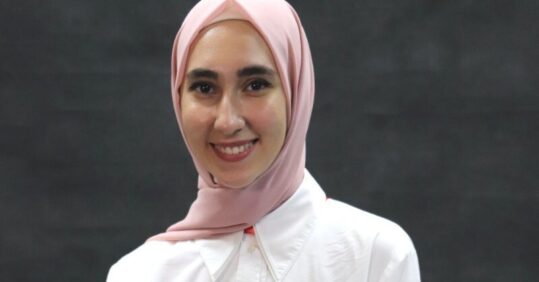
The lead author of the paper, Joodi Mourhli, a research assistant at the University of Cambridge Primary Care Unit, told Nursing in Practice: ‘Meaningful collaboration between healthcare professionals, patients, and families is essential to achieving end-of-life symptom management that is clinically effective and culturally and religiously sensitive.’
Related Article: Research links opioid addiction to higher risk of dementia
The study underscores that while death and dying are universal human experiences, individual perspectives, needs, and expectations surrounding end-of-life symptom management can vary greatly and are frequently shaped by religious and cultural influences.
In the UK, Islam is the second largest religion after Christianity, with Muslims accounting for 6% of the national population.
The authors point to data that highlights broader demographic shifts in the UK. It estimates that the proportion of Muslims in the UK aged 65 and older will rise from 4% in 2011 to 10% by 2036, reaching approximately half a million individuals – highlighting the need to optimise end-of-life care for this community.
Poorly controlled end-of-life symptoms cause ‘significant distress’, yet the study reported that current end‑of‑life care services in the UK often do not meet the needs of Muslim communities, whose religious and cultural beliefs strongly shape care preferences.
The review found that for many Muslims, their primary concern is to ensure that the dying process and the use of symptom management medications align with their religious commitments.
Some Muslim patients, for example, may decline medications that can cause sedation to preserve the ability to perform daily prayers or recite the Shahada – a declaration of faith – at the time of death.
Furthermore, family carers often perceive their involvement as a full-time duty to ensure that end-of-life symptom management remains aligned with religious and cultural expectations.
Related Article: New mothers turning to health visitors and midwives for feeding help, major survey shows
The researchers also highlight that many healthcare professionals have experienced challenges in providing sensitive symptom management for Muslim individuals given their unfamiliarity with their religious needs.
For example, hospice nurses described uncertainty around how to adapt their usual care practices.
‘Hospice nurses expressed their unfamiliarity with the specific end-of-life symptom management and spiritual care needs of Muslims,’ the study said.
‘They voiced concerns about how to adapt their usual care and shared how they are constantly trying to avoid causing offence.’
For future research and practice, the authors recommend employing co-design methods to better understand care priorities across diverse Muslim communities, and fostering meaningful collaboration between patients, families, faith leaders, and healthcare professionals to develop culturally and religiously sensitive approaches to end-of-life symptom management.
Related Article: UKHSA issues ‘urgent’ public health notice for nurses on Ebola outbreak
Ms Mourhli, said: ‘Nurses are often the professionals closest to patients at the end of life, putting them in a key position to involve families and start conversations that support personalised care – respecting both symptom management in addition to religious and cultural priorities.’

See how our symptom tool can help you make better sense of patient presentations
Click here to search a symptom