
New dementia nurse role to help expand access to research
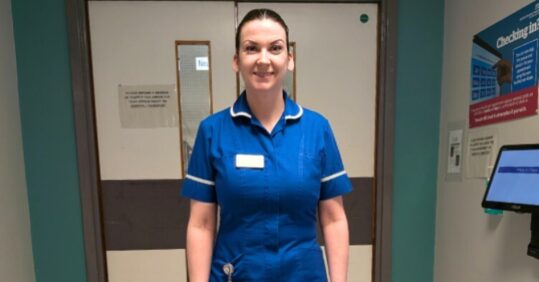


A nurse in Sheffield has been appointed in a first-of-its-kind research role to help pioneer dementia research.
The Alzheimer’s Society has invested £3m to embed dedicated dementia research nurses within the UK Dementia Trials Network (UKDTN) across South Yorkshire.
Jo Howe has become Sheffield’s first dementia research nurse, taking on the official title of Alzheimer’s Society UKDTN research nurse and senior dementia research sister at Sheffield Teaching Hospitals.
Related Article: Women in social care facing ‘persistent barriers’ to progress, warns Care England
It is hoped she will be joined by a ‘a fleet of dedicated research nurses’ across the country, focused on boosting the number and diversity of people taking part in ‘vital dementia research studies’.
Ms Howe said: ‘I am honoured to be part of the first UK-wide network of dementia research nurses.
‘My main aim is to promote dementia research to both staff and the public and make it easier for people to get involved.
‘I want to raise awareness of available research opportunities and support individuals in taking part.
‘Through this, I hope to make dementia research more inclusive and accessible for everyone.
‘Along the way, I also aim to build strong connections between healthcare teams, researchers, and people affected by dementia, ensuring that research is guided by lived experiences and leads to better support and care.’
Related Article: International care workers to challenge ‘cruel’ visa changes outside Westminster
Sheffield Teaching Hospitals NHS Foundation Trust is one of the first UKDTN sites to recruit a dementia research nurse, with up to 20 sites across the UK expected to be set up over the next few years.
Laura Rooney, lead research nurse at Alzheimer’s Society, said the new roles will ‘increase visibility’ of the number clinical trials available for those diagnosed with dementia after a study by the charity and UKDTN survey revealed that around 80% of people with dementia were not told about research opportunities by their clinician, yet over 90% think that clinical trials and research should be discussed as a standard part of dementia care.
‘Research will beat dementia, the UK’s biggest killer,’ said Ms Rooney. ‘We’re making real progress in finding effective dementia treatments and diagnostic tests – and clinical trials are the only way to know if they work.
‘We know people living with dementia are keen to take part in research and find it incredibly rewarding, but so few are offered the opportunity.
Related Article: Research links opioid addiction to higher risk of dementia
‘We urgently need to expand the number of clinical trials available, with our research nurses increasing visibility and access to opportunities so that more people living with dementia from all backgrounds can take part.’
According to UKDTN, one in three people born today will develop dementia in their lifetime. A tiny proportion of the nearly one million people living with dementia in the UK today have taken part in a dementia trial in the last five years, and those that have participated, even fewer are from diverse backgrounds with 95% of people being of White British/European origin.

See how our symptom tool can help you make better sense of patient presentations
Click here to search a symptom