GP practices to be incentivised to expand obesity care and weight loss jabs


Patients living with obesity will receive expanded access to weight management support and NHS-approved weight loss injections under the next GP contract, the government has announced.
The Department of Health and Social Care (DHSC) said £25m in ring-fenced funding would be used to incentivise GP practices in England to offer evidence-based advice, make referrals to structured weight management programmes and, where clinically appropriate, prescribe weight loss drugs with appropriate wraparound support.
The measures will form part of the forthcoming 2026/27 GP contract and will introduce two new indicators into the Quality and Outcomes Framework (QOF).
Related Article: New ‘life-extending’ drug for ovarian cancer added to NHS
These indicators will track the identification and management of adults living with obesity, including improved recording of body mass index and the provision of appropriate support in line with guidance from NICE.
The government said the changes are intended to improve access to obesity treatment across primary care, acknowledging that not all practices currently prescribe weight loss medication.
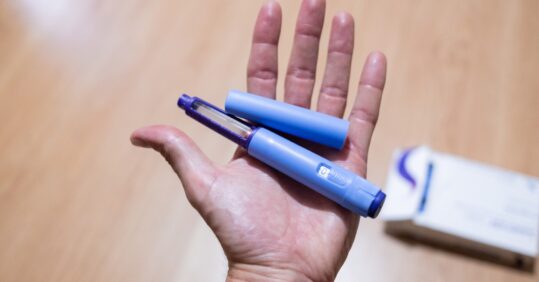
In June 2025, tirzepatide (Mounjaro) was made available in NHS primary care for weight management, with a plan to offer the treatment to up to 220,000 people over the first three years, prioritising those with the highest clinical need.
A Nursing in Practice survey last autumn found general practice nursing staff reporting an increase in patients enquiring about weight loss medications.
They also described having to manage ‘disappointment and frustration’ when they are not available.
The survey of almost 500 general practice nursing staff found that more than 5% of nurse consultations had been about weight loss drugs between 23 June and 21 July 2025.
Related Article: Reframing eating disorder recognition in primary care
Health and social care secretary Wes Streeting described weight loss drugs as ‘a real game changer for those who need them’ and expressed a determination to make them available ‘based on need, not ability to pay’.
He said: ‘Outside the NHS, we’ve seen those who can spare the cash buying privately, and the proliferation of rogue prescribers peddling dangerous unlicensed drugs that are putting patients at risk.
‘Investing in general practice will help bring this modern medicine to the many, not just the few, and help shift the focus of the NHS from treatment to prevention.’
The DHSC said improving access through primary care would support its wider strategy to address obesity and reduce associated long-term conditions, including diabetes, as well as ease the estimated £11bn annual cost obesity places on the health service and wider economy.
Related Article: Sharp rise in diabetes cases prompts call for better postnatal support
A recent Nursing in Practice 365 virtual event explored how sensitive communication and giving patients space to voice their concerns are key to managing obesity – and highlighted that nurses in primary care are well placed to do both.

See how our symptom tool can help you make better sense of patient presentations
Click here to search a symptom