Shingles uptake below half in first year of eligibility, UKHSA figures show
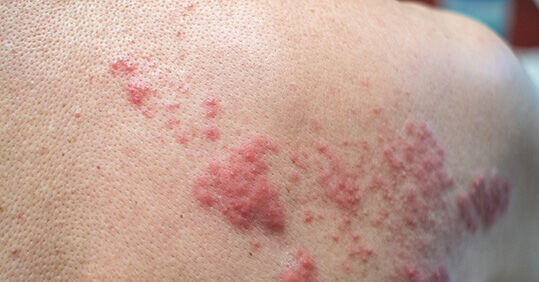


Fewer than half of adults are receiving their free shingles vaccine in the first year they become eligible, according to new data published by the UK Health Security Agency (UKHSA).
Latest figures show that 42.1% of people turning 66 – who had been eligible since their 65th birthday – had received their first dose of Shingrix by October 2025.
Related Article: Warning issued over advertising new prescription-only weight loss pill
Among those turning 71, who have been eligible since age 70, uptake stands at 53.5%.
The Shingrix for All programme began on 1 September 2023 and offers two doses of the Shingrix vaccine to immunocompetent adults turning 65 or 70, as well as to severely immunosuppressed individuals aged 18 and over.
The shingles vaccine is delivered as a year-round programme, with eligibility triggered at age 65 and 70.
Adults aged 70 to 80 should already have been offered vaccination and are advised to catch up if they have missed it.
Related Article: Carers of people with dementia report reaching ‘breaking point’
Dr Julie Yates, deputy director for immunisation programmes at UKHSA, emphasised that two doses of the vaccine are highly effective in preventing shingles and its complications, including long-term nerve damage.
‘We understand people are busy, and it can be easy to put things off, but this is a vaccine that can make a real difference to your quality of life,’ she said.
Caroline Temmink, director of vaccinations at NHS England (NHSE), warned that shingles could be extremely dangerous for older adults and those with weakened immune systems.
Related Article: Rheumatoid arthritis patient trial backs up vaccination advantages of methotrexate delay
Last month, NHSE published updated technical guidance for GP practices on the shingles vaccination programme, outlining eligible cohorts and plans to expand the programme over the next decade.
A 2024 University of Oxford study linked the use of the Shingrix vaccine to a 17% reduction in dementia diagnoses.

See how our symptom tool can help you make better sense of patient presentations
Click here to search a symptom