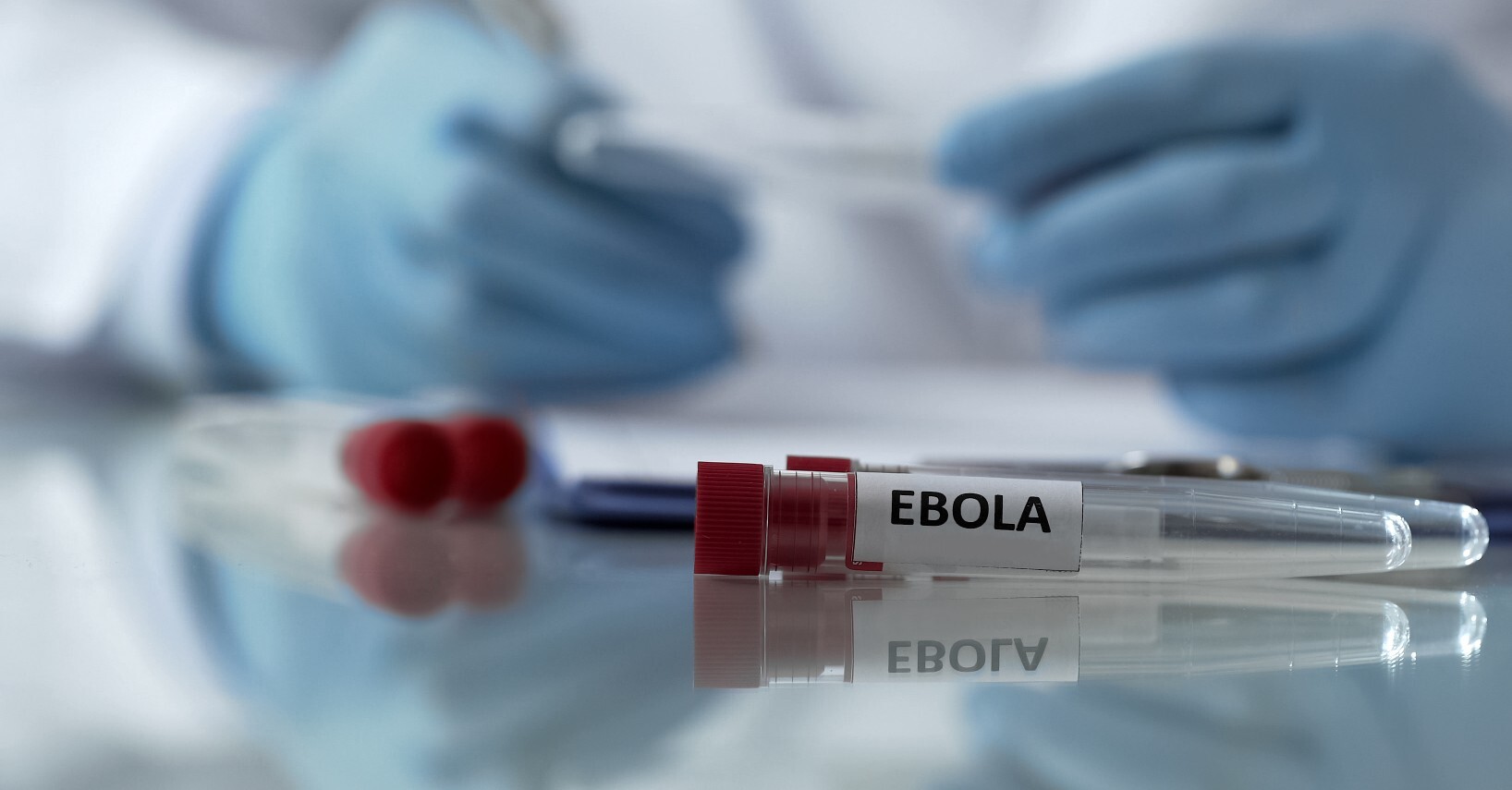
UK deploys public health team to support Ebola outbreak response
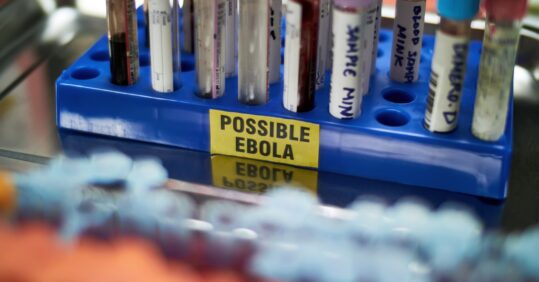


Public health specialists are being deployed by the UK Health Security Agency (UKHSA) to support the Ebola outbreak response in the Democratic Republic of Congo (DRC) and across the region.
Experts in epidemiology, risk communications and community engagement, infection prevention and control and data modelling from the UKHSA’s UK Public Health Rapid Support Team (UK-PHRST) will be on the ground to support.
Dr Edmund Newman, director of the UK-PHRST, said the deployment will help ‘strengthen the existing response to the Ebola outbreak’.
‘We know infectious diseases are not restricted by borders, which is why it’s vital we continue to work collaboratively with the World Health Organization (WHO) and other international partners, as well as national and local response organisations, to protect global health security,’ he said.
It comes as nurses and other healthcare professionals in the UK have been urged to consider the disease in any acutely unwell patient with a history of fever who has left DRC or Uganda in the previous 21 days.
The warning from the UKHSA comes amid an outbreak of the disease in DRC and Uganda, in which a spread of the Bundibugyo strain has seen more than 1,000 suspected cases and over 200 deaths reported.
On Monday, the Royal College of Nursing (RCN) called for a coordinated international response to the Ebola outbreak amid concerns that nursing staff are ‘at risk’ in the area.
The union stressed that without help to support nurses in the affected areas, including steps to prevent shortages of essential supplies and personal protective equipment (PPE), the situation ‘could worsen further’.
According to the UKHSA, the UK has committed up to £21m to support the government-led Ebola response in DRC to support a locally led response, ‘helping to protect frontline workers and vulnerable communities’.
Jenny Chapman, minister for Africa and international development, said: ‘Ebola is a devastating disease, and this latest outbreak is deeply concerning. The UK is acting fast, working with regional partners to save lives and stop the spread.
‘The UK Public Health Rapid Support Team brings world-class expertise, from infection control to community engagement and modelling the data.
‘It demonstrates our commitment to global health security, and supporting the African-led response to this crisis.
‘We are investing in the research, evidence and local leadership needed to respond faster and more effectively to this deadly disease.’
The UK-PHRST was developed following the 2014 to 2015 West Africa Ebola outbreak and funded by the Department of Health and Social Care’s Official Development Assistance (ODA) budget.
The team works with low- and middle-income countries to respond and prepare for infectious disease outbreaks and public health emergencies.
It is deploying seven specialists from the UKHSA and the London School of Hygiene and Tropical Medicine (LSHTM) to support the international response to the outbreak:
- Four will be based in Eastern DRC, supporting WHO field operations across infection prevention and control, epidemiology, and risk communication and community engagement (RCCE)
- A further RCCE specialist is being deployed to the WHO country office in Kinshasa
- An epidemiologist is being deployed to the Republic of Congo to support the wider regional response
- Additional support is being provided remotely by a data modelling expert
The International Council of Nurses last month called for nurses and frontline health workers in DRC, Uganda and surrounding nations to have ‘immediate access to high-quality’ personal protective equipment, screening equipment and the resources required to protect themselves, their patients and their communities.
The warned that nurses had reported feeling ‘scared for their safety because they do not have the equipment to protect themselves’.

See how our symptom tool can help you make better sense of patient presentations
Click here to search a symptom