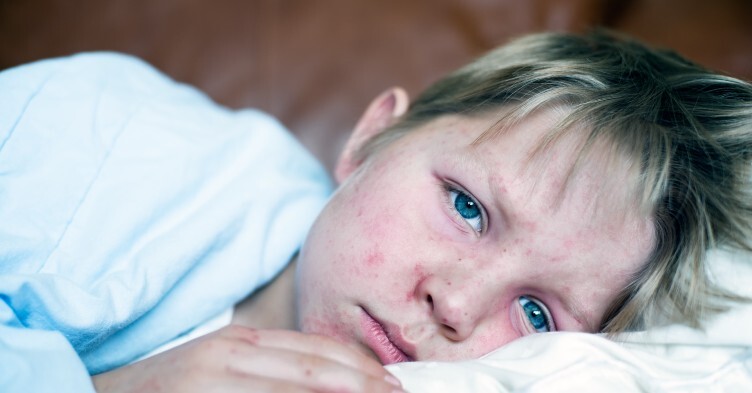
UK loses measles elimination status, WHO announces


The World Health Organization (WHO) has confirmed that the UK has lost its measles elimination status after a resurgence of cases in 2024 led to the re-establishment of endemic transmission.
WHO/Europe said the downgrade reflects a wider regional rise in outbreaks of measles and other vaccine-preventable diseases across the continent.
The organisation warned that persistent immunity gaps have reversed progress and urged countries to step up surveillance, outbreak response and efforts to reach under-vaccinated communities.
The change comes amid ongoing concerns over vaccination uptake.
First-dose coverage of the MMR vaccine fell from 95.3% in 2016 to 92.3% in 2024, while second-dose coverage dropped from 88.2% to 84.4% over the same period.
Related Article: Pollen 101: how nurses can help patients manage hay fever symptoms
Measles requires 95% coverage to prevent outbreaks, a threshold the UK has not met for first doses since 2017 and has never achieved for second doses over the past 15 years. In 2024, the UK recorded 3,681 measles cases.
Dr Ben Kasstan-Dabush, assistant professor of global health and development at the London School of Hygiene & Tropical Medicine, said the change in status was ‘unsurprising’.
He called for targeted investment to strengthen vaccine coverage but warned that the expectation for Integrated Care Boards to reduce operational costs by up to 50% risked undermining efforts.
‘If we are to regain our measles elimination status then we must have a coherent, joined-up approach to public health, sadly the opposite to what we are currently seeing across England,’ said Dr Kasstan-Dabush.
According to the UK Health Security Agency (UKHSA), the re-establishment of endemic measles transmission follows a large outbreak in 2024.
As of January 2026, the NHS is offering the MMRV vaccine at 12 and 18 months, with catch-up vaccinations available for older children and adults born before 2020 who are not fully vaccinated.
Dr Vanessa Saliba, consultant epidemiologist at UKHSA, said: ‘Infections can return quickly when childhood vaccine uptake falls; measles elimination is only possible if all eligible children receive two MMRV doses before school.’
Related Article: Two children have died from measles in England this year, new UKHSA data shows
Dr Bharat Pankhania, senior clinical lecturer in public health medicine at the University of Exeter Medical School, described the situation as ‘extremely concerning’, and warned of the spread of misinformation regarding vaccination.
‘It’s imperative that we judiciously address the issue of wrong information about the safety of vaccines. We need to have trusted talking heads speaking to the decision-makers – the parents with newborn babies – and addressing their concerns,’ said Dr Pankhania.
Measles remains one of the most infectious diseases globally, and complications can be severe, including pneumonia, encephalitis, and death.
The WHO’s European Immunisation Agenda 2030 identifies the elimination of measles and rubella as a core goal for the region. The UK has held eliminated status for rubella since 2015.
Measles was declared as eliminated from the UK in 2016, but the status was short-lived following a Europe-wide resurgence in 2018.
Related Article: Pharmacies to deliver one-off MenB jab programme for thousands of young people
The eliminated status was regained in 2021, largely due to a pandemic-era decline in global circulation. In 2023, measles activity started to increase globally, including in the UK.
The WHO’s latest assessment, based on 2024 data, confirms that endemic transmission has returned.
A version of this article first appeared on our sister title Healthcare Leader.

See how our symptom tool can help you make better sense of patient presentations
Click here to search a symptom