
Maternity investigation warns staffing pressures and racism are undermining safety
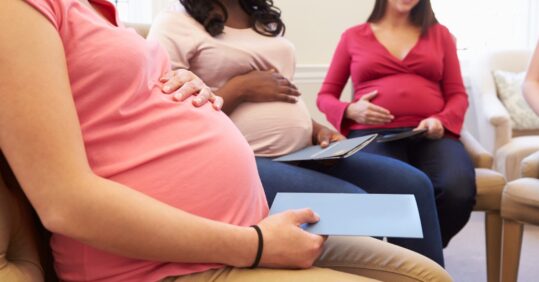


Maternity and neonatal services in England are failing to deliver consistent, safe and equitable care, with staffing pressures and structural racism among the most serious concerns, according to an interim report from the independent National Maternity and Neonatal Investigation.
The investigation, chaired by Baroness Valerie Amos, has so far included meetings with more than 400 families, over 8,000 responses to a public call for evidence and visits to 12 NHS trusts.
The report concludes that services are struggling under sustained capacity pressures and that workforce challenges are affecting care at every stage of the maternity pathway.
For community services, the report highlights the impact of community midwives being redeployed from neighbourhood roles into hospital delivery units to plug staffing gaps.
Community midwives told the investigation that such moves were compromising care in neighbourhood settings and disrupting continuity of care, with home births suspended in some areas as a direct result of staffing shortages.
Midwives on postnatal wards were similarly redeployed to delivery units, creating knock-on pressures elsewhere in the system.
Related Article: Pollen 101: how nurses can help patients manage hay fever symptoms
Staff described being required to work in unfamiliar clinical environments at short notice, raising safety concerns.
One midwife described being called into a busy delivery suite because ‘it’s gone bonkers’, adding that staff not regularly based there were ‘not providing the same service’ as those who ‘know it like the back of their hands’.
In addition, staff reported difficulties filling neonatal nursing roles, increasing pressure on teams and affecting the ability to provide consistent care.
Medical cover was described as inconsistent across the country, with some units struggling to maintain safe obstetric rotas, particularly overnight and at weekends, leaving families without timely senior input when key decisions were required.
Reduced cover at night and weekends was also reported to limit access to specialist services, including bereavement and breastfeeding support, with families told they were unavailable ‘out of hours’.
Although midwifery staffing numbers have increased in recent years and the birth rate has fallen, staff told the investigation that services do not consistently feel safely staffed in practice. Factors cited include skill mix, high turnover and the proportion of midwives in specialist or managerial roles who are not available for frontline care.
The staffing problems identified in the interim report follow a recent survey by the Royal College of Midwives (RCM) that found almost one in three newly registered midwives have been unable to find employment.
This was despite ‘chronic staffing shortages’ reported by the RCM, with midwives feeling ‘exhausted and overstretched’.
Alongside workforce pressures, the report identifies racism and discrimination as persistent and serious problems within maternity and neonatal services.
Related Article: Two children have died from measles in England this year, new UKHSA data shows
The investigation heard accounts of racial stereotyping and discriminatory attitudes affecting both staff and patients.
Some staff reported experiencing racism within their organisations and a failure by leadership to address it, while black women described feeling that their pain was dismissed.
The report also notes that national data show higher maternal mortality rates for Black and Asian women and for women living in the most deprived areas.
In response to the interim findings, Baroness Amos said: ‘It is clear from the meetings and conversations I have had with hundreds of women, families and staff members across the country, that maternity and neonatal services in England are failing too many women, babies, families and staff.’
The baroness had already warned last December that the problems with services were ‘much worse’ than she had anticipated when she was appointed to chair the investigation in August 2025.
She added that input from NHS staff would be essential as the investigation develops national recommendations, due to be published in spring 2026.
A public call for evidence remains open until 17 March. Staff working in maternity and neonatal services are being asked to contribute via a separate survey, open until 9 March, with links distributed through NHS trusts.
Related Article: Pharmacies to deliver one-off MenB jab programme for thousands of young people
A national maternity and neonatal taskforce, chaired by the health and social care secretary Wes Streeting, will be responsible for delivering an action plan based on the final recommendations.
Commenting on the interim report, Layla Moran, Liberal Democrat MP and chair of the parliamentary Health and Social Care Committee, said it was ‘heartbreaking’ to hear stories of families ‘failed tragically by the system’ and also of healthcare professionals facing ‘vitriol for doing their jobs in difficult circumstances’.
She also called on the government to start making changes immediately, warning that ‘excuses for any more delay have run out’.

See how our symptom tool can help you make better sense of patient presentations
Click here to search a symptom