Nurses call for tougher regulation on cosmetic procedures in Scotland


Nurses have urged politicians to strengthen accountability, training standards and reporting mechanisms for non-surgical cosmetic procedures following rising reports of unsafe procedures being completed by unregulated professionals.
The comments were made to the Health, Social Care and Sport Committee who were examining the Non-surgical Procedures and Functions of Medical Reviewers (Scotland) Bill yesterday.
If approved by the Scottish Parliament, the Bill will introduce regulations for specific non-surgical cosmetic and wellbeing procedures to ensure they are carried out in appropriate settings which can meet standards of safety and hygiene.
It would also make it a criminal offence to carry out these treatments anywhere lacking appropriate healthcare oversight or to provide them to individuals under the age of 18.
Under the Bill, Healthcare Improvement Scotland (HIS) would also gain new powers to enter and inspect premises suspected of offering these procedures unlawfully. The measures apply to a range of cosmetic and wellbeing treatments, including Botox and higher-risk procedures such as Brazilian Butt Lifts.
‘Regulation means better standards’
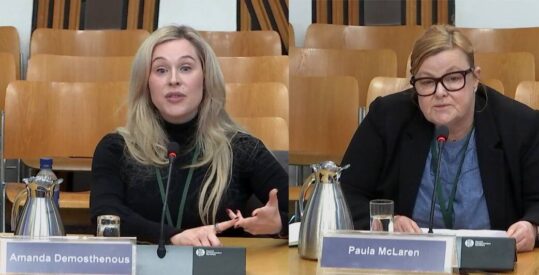
Aesthetic nurse practitioner Amanda Demosthenous told the committee that improved regulation was essential to protect patients and ensure only trained professionals can provide cosmetic services.
‘There has to be some accountability,’ she said.
Related Article: Research insights: the latest updates from clinical papers
‘The accountability really is on the professional delivering the service, to fully understand what is within the law and what is without the law. Regulation only means better standards.’
Ms Demosthenous also said she would ‘absolutely support a robust reporting system’ to help HIS flag unsafe practice, warning that consequences for poor practice were needed to safeguard patients.
Paramedic and aesthetic practitioner Remmy Jones echoed the call for firmer action, arguing that professionals who repeatedly breach safety standards must face a clear and structured escalation process.
‘We need to think about the patient being the primary focus.
‘By not having any enforceable convictions on those repeat offenders, we undermine the professionalism we’re striving for,’ Ms Jones said.
The regulator’s perspective
Paula McLaren, senior adviser for advanced practice at the Nursing and Midwifery Council (NMC), told MSPs the regulator was seeing more fitness to practise concerns linked to non-surgical cosmetic work and prescribing, particularly remote prescribing.
Under the NMC Code, prescribers and those doing non-surgical cosmetic procedures must undergo additional training and maintain competence, she stressed.
Ms McLaren added that the NMC would strengthen reporting and information-sharing mechanisms once the Bill is finalised, adding that greater clarity for professionals would help ‘mitigate some of the risks identified’.
Scrutiny of age limits and consent
The Bill proposes making it illegal to provide certain non-surgical cosmetic procedures to those under 18 or outside specified premises. But some MSPs questioned whether 18 was the right threshold for informed consent.
General Dental Council (GDC) executive director Stefan Czerniawski said 18 ‘feels like the right place for informed consent’ but warned that a small number of medically justified exceptions may be necessary.
Ms Demosthenous went further, saying she would ‘question the justification of treating 18-year-olds, on the whole’ for cosmetic purposes.
Rising concerns over failed procedures
The committee’s discussion followed a warning earlier in the week from Advice Direct Scotland, which reported hundreds of complaints about cosmetic procedures, including from teenagers as young as 15 receiving botched fillers and Botox.
Related Article: Understanding rare diseases and how to support patients with them
MSP and GP Dr Sandesh Gulhane highlighted the uneven regulatory landscape, noting that while nurses can be struck off for misconduct, unregulated practitioners operate with ‘very little in the way of consequences’.
Next steps
Laura Boyce, associate director for quality assurance and regulation at HIS, said any new regulatory system ‘would not be achievable’ before the end of the 2027-28 financial year.
Meanwhile, HIS director of quality assurance, Eddie Docherty, described the Bill as a ‘significant route forward’ for improving oversight.
The committee will continue its Stage 1 scrutiny before issuing its report on the general principles of the Bill.
Glasgow Caledonian University is preparing to launch a postgraduate diploma in aesthetic medicine next year. Nursing in Practice has asked how the programme will be regulated.
At the Royal College of Nursing Congress in May, general practice nurses reported seeing frequent complications in patients returning from surgery abroad.
In June, the Women and Equalities Committee launched an inquiry into cosmetic procedure regulation.
Related Article: Multimillion-pound fund opens for projects aimed at improving men’s health
Since June, nursing and midwifery prescribers have been required to consult people in person before issuing prescriptions for non-surgical cosmetic medicines, under new guidance from the nursing regulator.
The change comes as part of an updated position statement from the NMC on the prescribing of non-surgical cosmetic medicines, including some anti-wrinkle injections and other aesthetic emergency kit items.
In August, the Department of Health and Social Care announced plans to crack down on unsafe cosmetic procedures in England, including that only qualified healthcare professionals such as nurses will be able to perform ‘high-risk’ cosmetic procedures, such as Brazilian Butt Lifts.
A Nursing in Practice survey in September found almost seven in 10 GPNs had seen patients suffering health problems linked to cosmetic procedures abroad in the last year.

See how our symptom tool can help you make better sense of patient presentations
Click here to search a symptom