ICN warns too many nurses remain concentrated in hospitals



The International Council of Nurses (ICN) has called for urgent action to address what it describes as a global imbalance in the distribution of nurses, warning that too few are working in community and primary care settings.
According to the ICN, the global nursing workforce is currently short of an estimated 5.8 million nurses.
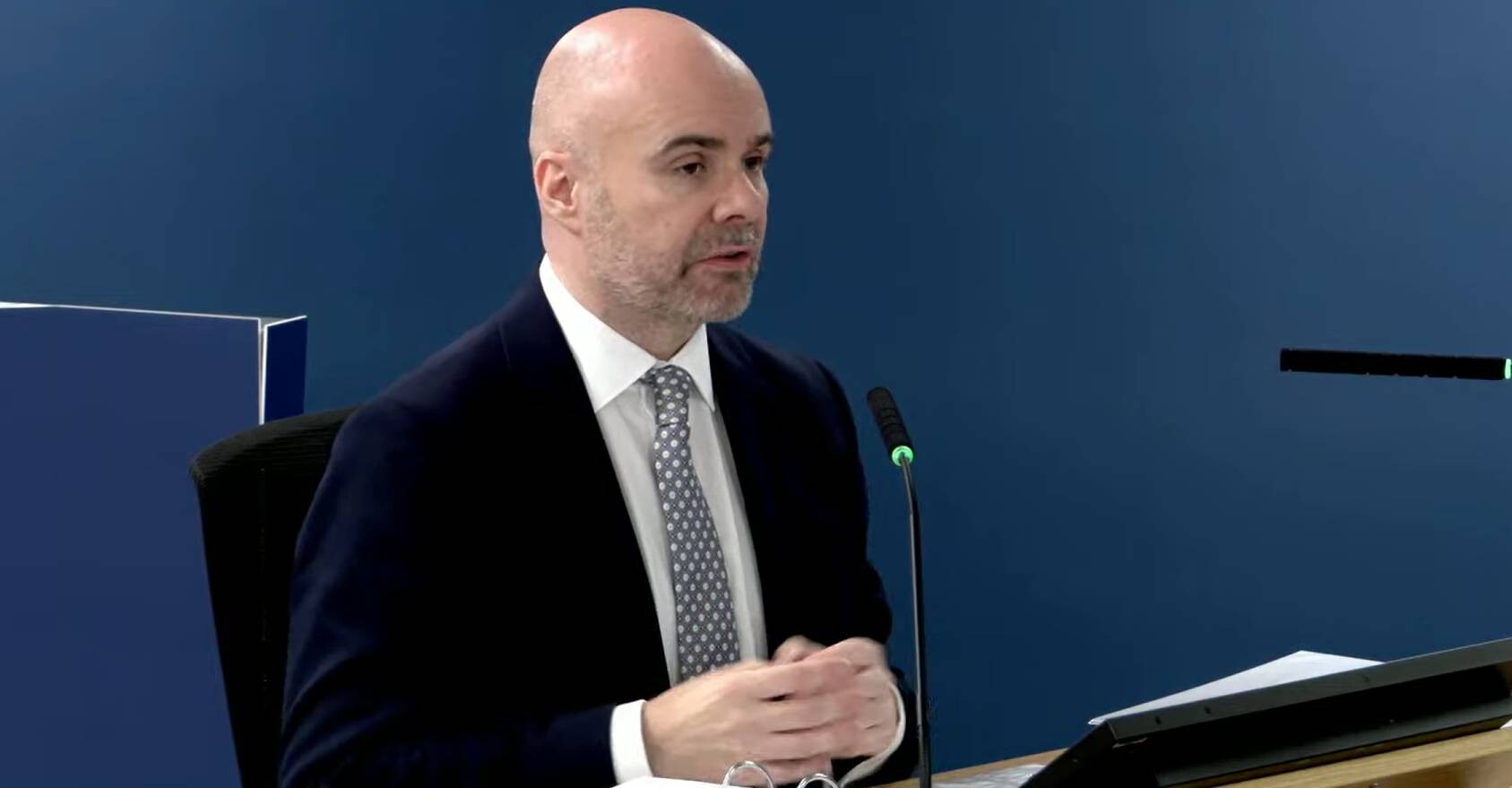
However, ICN chief executive Howard Catton – speaking at the International Home Care Nurses Organisation’s fifth global conference in London last week – said the issue was not simply a shortage of nurses, but where they are employed.
Related Article: District nursing teams seeing ‘diluted’ skill mix
Mr Catton argued that the concentration of staff in hospital settings is undermining efforts to strengthen primary and community-based care.
‘Nursing workforces remain concentrated in hospital settings (in many countries at least 60-65%), with too few in the communities, homes and clinics that are the foundation of primary health care,’ he said.
Referring to England, where the conference took place, Mr Catton said data suggested that only 12% of NHS nurses work in dedicated community services, while district nurses, health visitors and school nurses are all declining in number.
He argued that the trend was at odds with international health policy, pointing to recommendations in the World Health Organisation’s State of the World’s Nursing 2025 report and its Global Strategic Directions for Nursing and Midwifery.
Strengthening community nursing would be essential if countries are to meet commitments on universal health coverage and the Sustainable Development Goals, Mr Catton emphasised.
‘Health for all cannot mean care only for those who can make it to a hospital,’ he said.
Related Article: CNO calls for greater community care exposure for hospital chief nurses and students
‘Universal health coverage is about reaching every person no matter where they live, and nurses as both the largest group of health professions with unrivalled reach deep into our communities are the key to ensuring that no one is left behind.’
To help address the imbalance, Mr Catton called for greater exposure to community nursing during undergraduate education, clearer career pathways into community and home care roles, and pay and progression structures that better reflect the complexity and responsibility of the work.
The ICN chief executive also challenged perceptions of community nursing as a less specialised area of practice.
‘Today’s community nurses administer chemotherapy and manage complex drug regimes in patients’ homes,’ he said.
Related Article: Nursing in Practice returns to Scotland with CPD event this September
‘They are responsible for vascular access lines and devices, oversee specialised wound management and support end-of-life care in the place that the overwhelming majority of people would want to spend their remaining days.
‘This is highly skilled, clinically complex nursing and leadership, which should be recognised, valued and resourced,’ Mr Catton added.

See how our symptom tool can help you make better sense of patient presentations
Click here to search a symptom