Report highlights impact of nature-based projects led by community nurses


Community nursing projects that use gardening and outdoor activities to support health and wellbeing are helping to reduce isolation, improve confidence and strengthen community connections, according to a new report from The Queen’s Institute of Community Nursing (QICN).
The report showcases five projects supported through the National Garden Scheme (NGS) Elsie Wagg Innovation Scholarship, which funds community nurses to develop initiatives based on the health benefits of gardens, gardening and access to nature.
These projects supported a wide range of groups, including mothers experiencing mental health challenges during the transition to parenthood, people experiencing homelessness, adults with learning disabilities, autistic adults and women in prison.
Related Article: Adult social care vacancies fall to decade low as registered nurse numbers rise
Participants reported improved wellbeing, stronger social connections and a greater sense of purpose, while the report also found the projects helped build partnerships between healthcare providers, voluntary organisations and local communities.
According to Steph Lawrence, chief executive of the QICN, the scholarship programme highlights the contribution community nurses can make through innovative approaches to care.
‘The NGS Elsie Wagg Innovation Scholarship continues to demonstrate the extraordinary creativity, leadership and commitment of community nurses,’ she said.
‘The report provides inspiring examples of how nature-based interventions can help tackle isolation, improve mental wellbeing and strengthen communities.’
Related Article: ICN warns too many nurses remain concentrated in hospitals
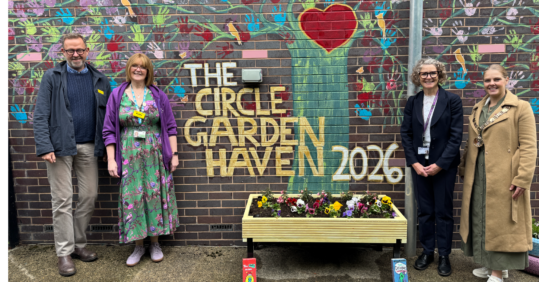
Among the initiatives featured is Circle Garden Haven in Surrey, a therapeutic garden supporting mothers experiencing mental health challenges during the transition to parenthood.
Other projects include a railway-themed therapeutic garden in Stockton-on-Tees co-designed with residents of a hostel for people experiencing homelessness, an accessible sensory garden in Bedfordshire for people with learning disabilities, a nature-based programme for autistic adults in Wales, and a horticultural project at HMP Styal in Cheshire supporting the mental health and wellbeing of women in prison.
The report concludes that relatively small investments in nature-based interventions can deliver significant benefits for individuals and communities while supporting NHS ambitions around prevention, neighbourhood health and care closer to home.
Related Article: District nursing teams seeing ‘diluted’ skill mix
Dr Richard Claxton, chief executive of the National Garden Scheme, said: ‘This report demonstrates the remarkable difference that gardens and gardening can make to people’s lives, helping to improve wellbeing, build confidence and create opportunities for connection and recovery.
‘We are delighted to see the lasting impact these projects are having in communities.’

See how our symptom tool can help you make better sense of patient presentations
Click here to search a symptom