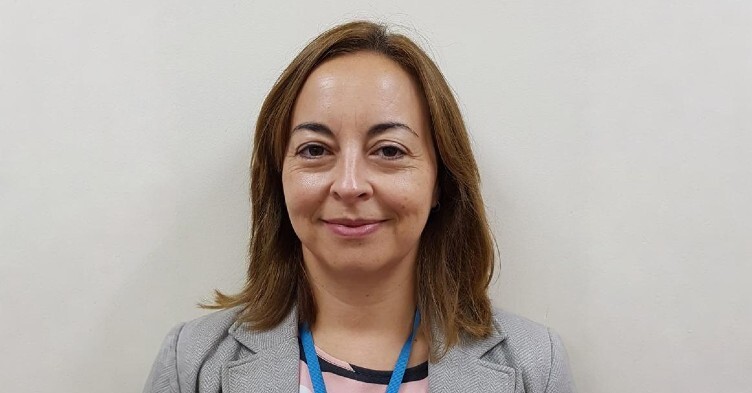
BMA writes to health secretary over ANP ‘concerns’



The British Medical Association (BMA) has written to the health secretary calling for ‘urgent action’ on its concerns over what it has called ‘unsafe and dangerous substitution of doctors’ by advanced practitioners (APs).
Comments made by the BMA in recent weeks have been met with criticism from across the nursing community, including from England’s chief nursing officer Duncan Burton who said the union was ‘at risk of undermining the work of advanced practitioners’, including advanced nurse practitioners (ANPs).
Following a survey of BMA members earlier this year on concerns around ‘inappropriate blurring of the distinction between doctors and non-medically qualified staff’, the association revealed doctors have ‘widespread fears for patient safety over the chaotic way employers use APs in the NHS’.
In the survey, the BMA states there have been ‘concerns’ about ANPs for ‘some time’, suggesting ‘employers use ANPS as doctor substitutes on medical rotas’
Following a Freedom of Information (FOI) request by the association to NHS Trusts, it revealed almost half of the employers who responded (41) said they did permit advanced practitioners to cover doctors’ rota gaps.
The deputy chair of the BMA Council has now written to health secretary James Murray and the chief executive NHS England (NHSE) Sir Jim Mackey, calling for ‘doctor substitution’ to ‘stop immediately’.
Related Article: Updated anti-racism and ‘cultural competence’ training to be mandatory for all NHS staff
Dr Emma Runswick, on behalf of BMA, wrote: ‘Our members have increasingly been sharing concerns that senior leaders in NHS hospitals and trusts are using advance practice roles in unsafe ways.
‘Our advanced practice colleagues are valued members of multidisciplinary teams, but our concerns about inappropriate substitution have been recently validated by trusts’ own data, with half of hospitals admitting to employing non-doctors on doctors’ rotas.
‘When challenged, many offending trusts have responded by stating that substitution does not occur, but also that it does when service pressures demand. This is a bizarre situation whereby unsafe substitution is both prohibited and facilitated.’
Dr Runswick revealed the results of the BMA survey, responded to by more than 5,000 doctors showed more than four fifths of respondents answered that they ‘sometimes’ or frequently’ believe the way that APs work in the NHS is a risk to patient safety.
A total of 71% of doctors reported that APs are occasionally or frequently doing work only doctors should do and 81% said the way APs currently work is a risk to patient safety.
In a quote provided in the survey, a consultant in anaesthetics wrote ‘ANPs work well beyond competence’ claiming an ANP in general practice had prescribed a medication ‘without doctor or psychiatrist input’.
They wrote: ‘They are truly dangerous and working well beyond what they should.’
A GP registrar added: ‘ANPs running on-call GP lists alone in primary care. This shocked me as a training doctor. I saw the documentation and it was poor. No higher-level thinking at all.’
Dr Runswick added: ‘Given these findings, we have written to Care Quality Commission (CQC) asking it to use its monitoring, inspection, and enforcement powers to ensure that providers meet their legal staffing obligations.’
The BMA has also called on the Department of Health and Social Care (DHSC) and NHSE to issue a prohibition on APs in doctors rotas, commission a ‘urgent review’ of AP scopes of practice, improve statutory regulation of AP roles, and protect training pathways for doctors.
The Royal College of Nursing (RCN) addressed the BMA survey earlier this year, stating that the poll had ‘prompted questions and concerns from nursing staff, medical professionals and other health and care professionals’.
Related Article: UKHSA issues ‘urgent’ public health notice for nurses on Ebola outbreak
‘The RCN position is clear. Advanced level nursing describes a level of practice which can only be delivered by registered nurses with additional knowledge and expertise,’ the RCN said.
‘It is underpinned by a comprehensive range of knowledge, skills and capabilities within each of the four pillars of nursing: clinical practice, education, research and leadership.’
Speaking recently at the RCN Congress in Liverpool last month, RCN chief executive urged ANPs to ‘be proud’ of their qualifications, expertise and years of experience.
Professor Nicola Ranger reiterated how ‘angry’ she was at comments made by the BMA.
‘We are clear in this hall: you never elevate one profession by bringing down another,’ said Professor Ranger.
Nurses also voted at congress to ensure the RCN acts upon attempts to ‘undermine’ ANPs warning that without these vital roles, GP practices and accident and emergency departments ‘would drown’.
RCN Council chair and ANP Carmel O’Boyle highlighted the recent criticisms, including the term ‘noctar’ being used as a ‘derogatory moniker to belittle and dampen down our professional advancement’.
Related Article: Interview: Nurses urged to have ‘a lower threshold’ for thinking about syphilis
She stressed that advanced nursing ‘isn’t new’ and had been around for more than 40 years.
‘I work in a nurse-led service, but I didn’t steal a doctor’s job,’ she said. ‘My service sees hundreds of patients every day, and without ANPs, those patients will be at risk, and our GPs and [accident and emergency departments] AEDs would drown.’
Also speaking last month, England’s chief nursing officer Duncan Burton said: ‘It’s disappointing that despite the BMA’s stance on the need for multidisciplinary teams, they are at risk of undermining the work of advanced practitioners, who are regulated professionals – including nurses – that have extensive clinical experience, are educated to masters level, and working hard alongside doctors.’

See how our symptom tool can help you make better sense of patient presentations
Click here to search a symptom