Experienced nurses being ‘pulled back’ into lower paid roles
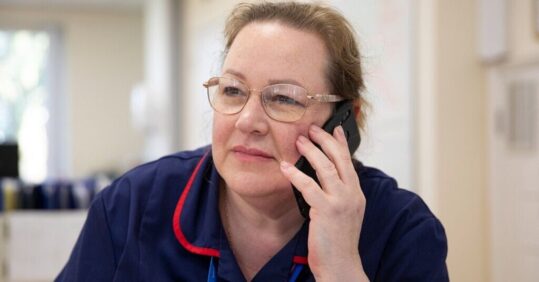


Experienced nurses are being forced to accept lower paid roles in favour of flexible working opportunities and to escape toxic workplace environments, new research from the Queen’s Institute of Community Nursing (QICN) has revealed.
Published today, the study warned how general practice nurses, district nurses and others among the nursing community are not only being prevented from progressing in their careers, but they are also actively being pulled back into lower pay bands – a concept coined as a ‘trap door’ for nurses.
Produced by the QICN’s International Community Nursing Observatory (ICNO) which is led by Professor Alison Leary, the report draws on a survey of 579 nurses – many of which were GPNs, district nurses and clinical nurse specialists and 92% of which were women.
More than 80% of respondents had experienced career regression, the survey found, with most (61.5%) having more than 20 years on the Nursing and Midwifery Council register.
The most common reasons cited for stepping down included:
- Lack of flexible working options
- Organisational restructuring and redundancies
- Bullying and toxic workplace culture
- Burnout and health issues
- Undervaluing of skills and blocked progression.
‘Many felt compelled to accept lower paid roles not by preference, but by necessity-whether that necessity was to protect their health, care for others, escape toxic environments, or respond to changes beyond their control,’ the report said.
‘Organisational inflexibility, restructuring, and undervaluing of experience were particularly damaging, while broader systemic factors such as sectoral pay differences and blocked routes to advancement compounded the challenges.’
Related Article: Report highlights impact of nature-based projects led by community nurses
Feedback from respondents suggested many were being downbanded while taking on specialist practitioner qualifications, while others said they had to accept lower paid roles in order to reduce their hours due to childcare, caring for relatives, health or disability reasons.
A lack of support in the workplace and high levels of job stress was also cited as reasons for taking on a lower band position.
‘Burnout, physical and mental health issues, and unsustainable workloads compelled individuals to seek less demanding and lower paid positions,’ the report said.
One respondent said: ‘Stress and burnout in primary care meant that I needed to reduce my hours and move roles which didn’t pay as much.’
Another respondent who said they have over 25 years’ experience in primary care said they were ‘worried that a conversation about demotion is going to happen at some point’ because they do not have a masters.
A separate respondent described having to drop hours because of poor health and family commitments and how their employer ‘used this as a reason to pay a much lower salary’.
‘Nurses are falling through the trap door’
Professor Leary, who is also a professor of workforce modelling, said: ‘We talk a lot about the ‘glass ceiling’ and the ‘sticky floor’, but our research shows there’s also a trap door – and experienced nurses are falling through it.
‘Many are being forced to choose between their health, family life and their professional standing.’
QICN chief executive Steph Lawrence added that many of those experiencing career regression were nurses who are ‘critical to safe delivery of care’.
‘The reasons given are not acceptable and very concerning, when we see on a daily basis the results of not having enough nurses in post: the harms to patients due to lack of capacity and the stress and burnout for staff involved,’ she said.
‘We have to ensure a more flexible approach if we are to retain a skilled and competent nursing workforce.’
Related Article: MenB jab uptake in babies increases but ‘significant’ variation for MMRV, early data shows
The report stressed that addressing issues related to career regression required ‘policy reform and cultural change to ensure equitable career progression and retention of skilled professionals’.
Those behind the report stressed that the data ‘underscores the ongoing challenges and inequities related to gender-based roles and workplace flexibility in healthcare’.
‘While both men and women report challenges, the intersection of gender with caring responsibilities, seniority, and organisational culture creates complex patterns of advantage and disadvantage,’ it added.
‘Addressing these issues requires not only policy change but also cultural transformation, ensuring that all staff – regardless of gender or personal circumstances – have fair access to flexible working and career opportunities.’
‘A damning indictment of undervaluing nursing’
Royal College of Nursing general secretary and chief executive Professor Nicola Ranger said the report was a ‘damning indictment of the way nursing is so chronically undervalued’.
‘Rather than being recognised as the expert clinicians they are, highly-skilled and experienced nurses are routinely pushed into lower paid, less senior roles,’ she said.
‘It’s an absolute scandal that seeking a better work-life balance or simply moving employers can see decades of hard work and dedication go up in smoke.’
Related Article: Hundreds of new nurses and midwives not offered NHS roles due to lack of vacancies
Professor Ranger added: ‘This powerful testimony reminds us of the challenges facing nursing as a female dominated graduate profession.’
The RCN chief urged the government and employers to ‘recognise nursing as the expert, safety-critical profession it is today’.
Earlier this month, Nursing in Practice was told of some employers who are creating ‘new roles’ at lower pay bands in ‘replacement’ of district nurses.
In April, former chief executive of the QICN Dr Crystal Oldman described nurses being obliged to take on lower roles as ‘unacceptable’ and ‘unfair’.

See how our symptom tool can help you make better sense of patient presentations
Click here to search a symptom