Extra hospice funding ‘not enough to stop service cutbacks’



Hospices across England will receive an extra £25m in capital funding to support building and IT upgrades, the government has confirmed today.
This brings the total investment in the sector to £125m over the past two financial years, but sector leaders say longer-term investment is needed to prevent service cuts.
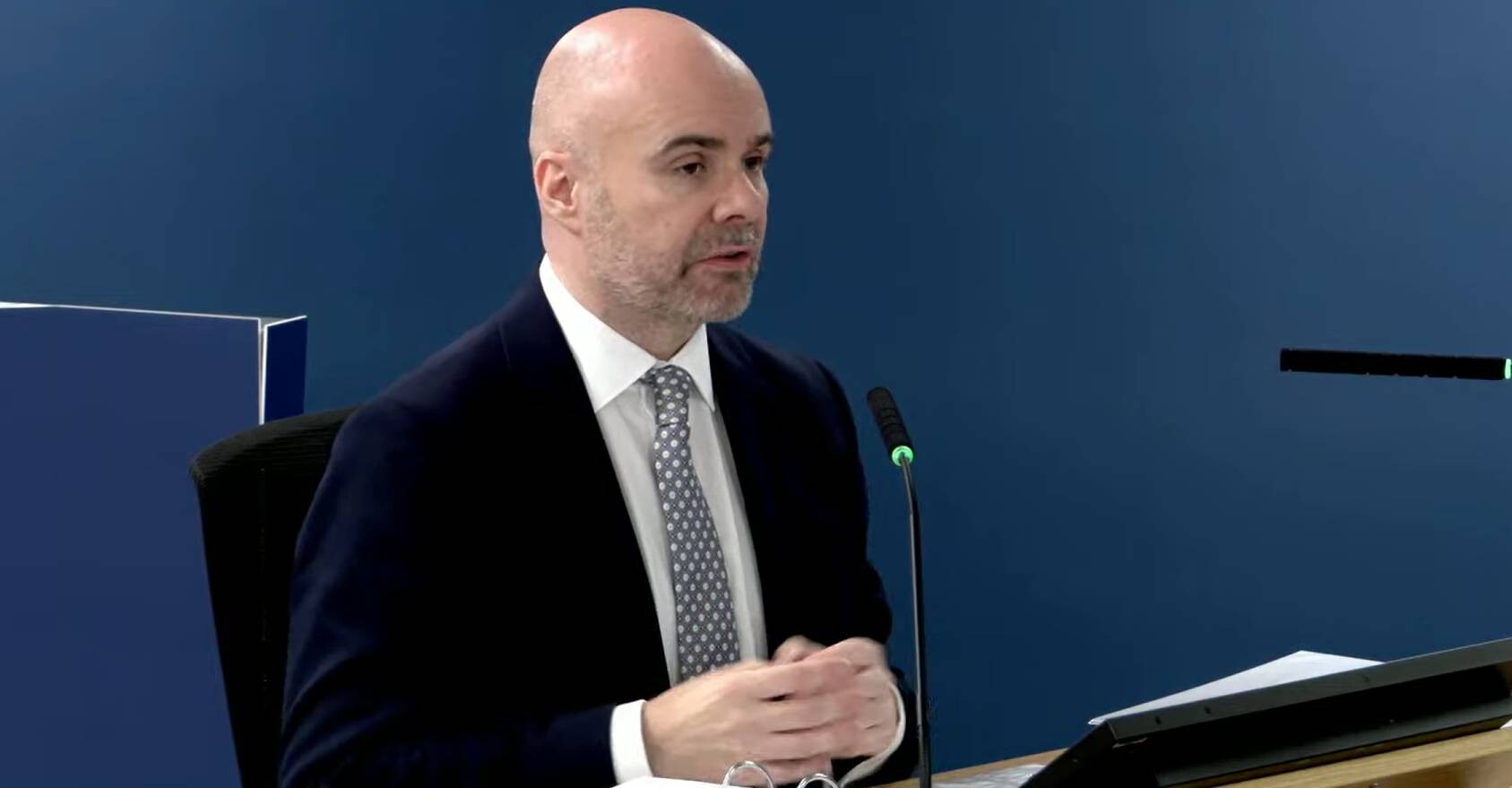
Updating the Health and Social Care Committee today, care minister Stephen Kinnock said the additional funding would be used to support urgent repairs, upgrade patient facilities, improve IT systems and make more welcoming hospice environments.
‘Palliative care, and end-of-life care, plays an essential part in our health and care system and it is delivered every day by GPs, district nurses, allied health professionals and social care staff in people’s homes, hospitals, care homes and hospices across the UK,’ he said.
‘I wanted to recognise the vital importance of hospices in the broader palliative care system, which is why I’m delighted to confirm today that we are adding a further £25 million to the £100 million capital funding available for adult and children’s hospices this financial year.’
Over 170 adults and children’s hospices are expected to benefit from the new funding which must be spend by the end of the financial year and will be distributed by Hospice UK in the coming weeks.
Related Article: District nursing teams seeing ‘diluted’ skill mix
The announcement builds on a wider package of government support for the hospice sector, including a previously confirmed £80m, three-year revenue settlement for children’s hospices.
A short-term fix
Hospice sector leaders have broadly welcomed the new funding but warned that capital investment alone would not resolve ongoing financial pressures.
For example, capital funding is not used to cover staffing costs, which is often the largest expense for hospice care providers.
Nick Carroll, chief executive of Together for Short Lives, said the funding would help children’s hospices to improve facilities for seriously ill children and their families, but stressed the need for sustainable revenue funding.
‘Children’s hospices remain under significant financial pressure,’ he said.
‘Only around 30% of their costs are covered by the state, compared with 40% for adult hospices, and funding from integrated care boards is inconsistent.
‘Without urgent action, vital services will be at risk.’
‘Back into crisis’
Committee member and Labour MP Paulette Hamilton also pointed to the limits of capital funding.
‘The problem with capital is that once you give that money, people feel they’re out of the crisis at one point, but within 12 to 18 months they are back into the crisis,’ she told Mr Kinnock.
Related Article: CNO calls for greater community care exposure for hospital chief nurses and students
Cutting back services
Charlie King, director of external affairs at Hospice UK, said the additional £25m was ‘very welcome’ but warned that more support would be needed to prevent service cuts.
‘While the funding announced today is helpful, it will not be enough to stop some hospices cutting back services in the coming months,’ he said.
‘Without further support, more patients will face unnecessary hospital admissions and miss out on care in the right place for them.’
Nursing in Practice has previously heard from hospices that warned long-term funding was needed to support the nursing workforce and prevent nursing cuts.
Some hospices have suggested that their nurses are at risk of redundancy due to cost-saving pressures, while others are unable to offer the range and volume of nursing services that they need to meet growing patient demand.
Related Article: Nursing in Practice returns to Scotland with CPD event this September
Also today, ministers committed to publishing a new palliative and end-of-life care modern framework service later this year, which is aimed at improving access, quality and sustainability across England.
The framework, which was first soft-launched by the government at the Hospice UK annual conference last November, is intended to address long-standing challenges in the hospice sector, including workforce shortages and gaps in 24/7 palliative care.
The government has also said the forthcoming Modern Service Framework will be developed in partnership with the sector and align with its wider 10 Year Health Plan, including a shift towards community-based and neighbourhood health services.

See how our symptom tool can help you make better sense of patient presentations
Click here to search a symptom