Government launches six-month review into general practice funding



The government has announced a six-month review into the Carr Hill formula used for general practice funding, to try and tackle health inequalities across the country.
The Carr Hill formula was introduced in 2004 to ensure funding reflected patient demographics, such as age. But it has been widely criticised for not sufficiently considering deprivation factors.
The formula currently uses expected workload of GP practices to determine distribution of funding for GP practices across England.
The review, which launched on Thursday 9 October, will identify a new allocation formula, assess the impact and feasibility of implementing it, and ensure it aligns with the NHS 10-year plan.
The Department of Health and Social Care (DHSC) said that more deprived areas and coastal towns would be the areas expected to benefit from a ‘fairer distribution’ of GP funding.
In its announcement on Thursday, the government pointed to challenges recruiting and retaining experienced practice nurses and GPs in coastal areas, as per the findings of the Chief Medical Officer’s 2021 annual report on coastal communities. The report had suggested that changes to the funding formulas could support deprived coastal areas with longstanding workforce recruitment difficulties.
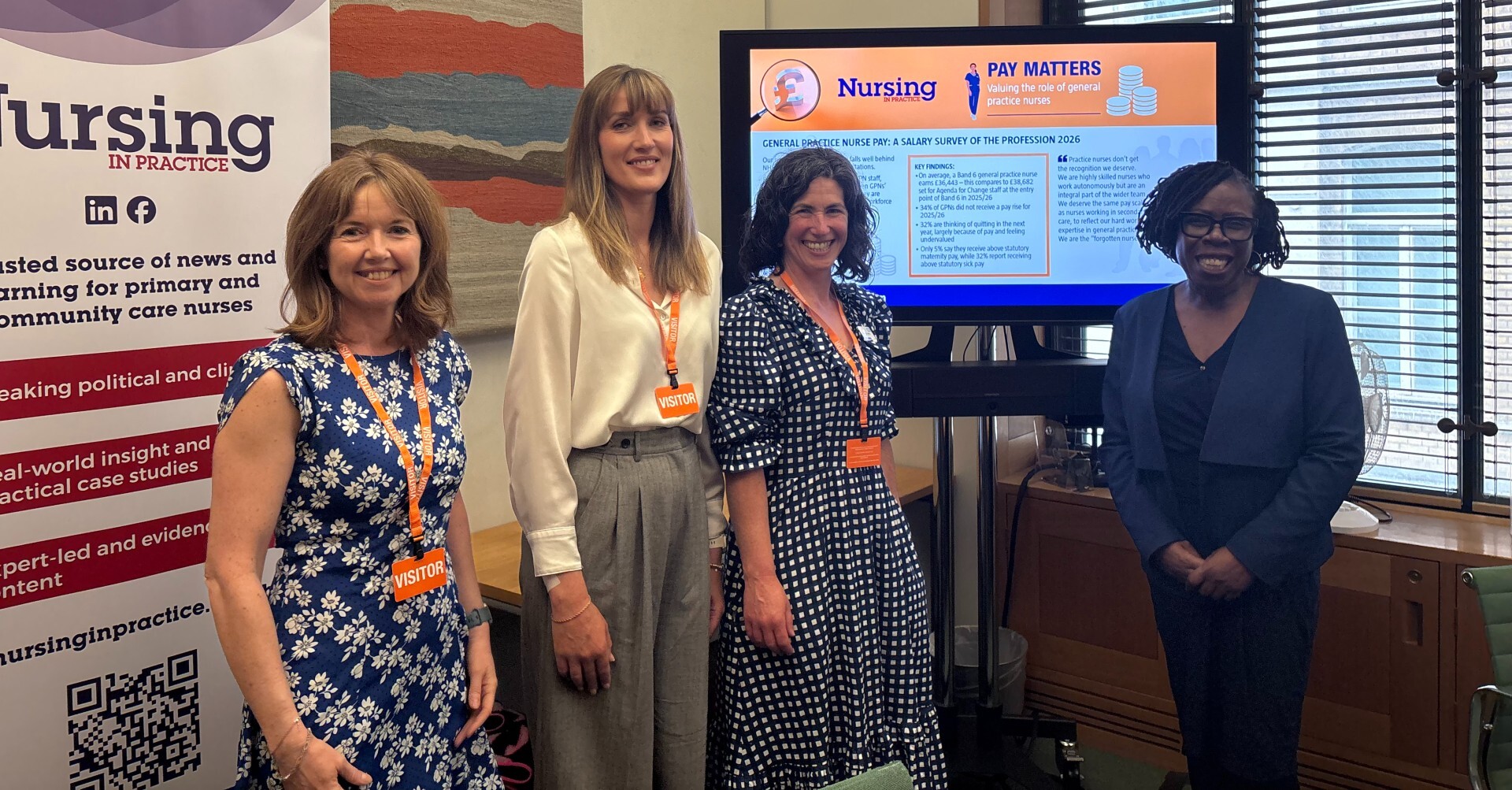
Related Article: Nursing in Practice takes general practice nurse pay concerns to Parliament
Meanwhile, research from the Health Foundation has suggested the practices that serve more deprived areas of the country receive nearly 10% less funding per patient than practices in more affluent areas.
Primary care minster Stephen Kinnock said: ‘The way GP funding is allocated is outdated and no longer fit-for-purpose – with more deprived areas and coastal communities across the country experiencing the highest levels of inequality.
‘With GPs at the heart of our 10-Year Health Plan, it is vital that we don’t leave any community behind and that we end the postcode lottery of care.
‘As we invest in primary care – we must prioritise the areas and communities which have the most need to drive health improvements and close the gap on these health disparities.’
Executive director of the Royal College of Nursing (RCN) in England Patricia Marquis said: ‘This is a welcome review into the current funding model which can leave some of the most deprived areas without adequate funding. This denies patients access to the care they need and deepens health inequalities.’
But she stressed it was ‘crucial’ that the review ‘does not simply lead to a redistribution of existing funding’.
And she also reiterated the need for ‘dedicated ringfenced’ funding to support the general practice nursing workforce.
‘While moving toward prevention and reducing health inequalities is a positive step, this cannot happen without dedicated ringfenced funding for the general practice nursing workforce, which is vital for achieving better patient outcomes,’ Ms Marquis said.
A separate and direct funding stream to support staffing costs – including that of practice nurses – has been long called for by the RCN and more recently by the Institute of General Practice Management (IGPM).
Related Article: NHSE sets out instructions for trusts on Band 5 nurse role review
This is in part because many general practice nurses (GPNs) employed directly by GP practices have missed out on annual pay rises due to the complicated funding formula currently used and because this is not ringfenced for staffing costs.
Also commenting on news of the review, NHS England national director for primary care Dr Amanda Doyle said: ‘It is essential that GP practices serving our most deprived communities, where health challenges are often greatest, receive a fair share of resources that reflects their need.
‘By overhauling GP funding for the first time in two decades, the NHS can better help people to get the support they need as GPs and their teams deliver record numbers of appointments for their communities.’
Nuffield trust deputy director of research Sarah Scobie said: ‘The current “Carr Hill” funding formula is outdated and reinforces the unfair reality that people in poorer areas get poorer healthcare. If implemented successfully, this approach could also help with the government’s aim to shift the focus of healthcare from treatment to prevention.
‘But such reform will need to come with additional funding and will require a concerted effort across government and the GP profession to ensure that some areas don’t lose out as cash is redistributed.’
Royal College of GPs chair Professor Kamila Hawthorne added: ‘A review of the funding formula for general practice is long overdue and something the college has called for, alongside an uplift in funding for general practice overall.
‘A patient’s postcode and where they live should not determine the level of NHS care they receive. It can’t be right that people in deprived communities – who often have more complex health needs and would therefore potentially benefit from health interventions most – are less likely to receive it, because GPs in deprived areas are responsible for hundreds more patients per head on average than those practising in more affluent areas.’
Related Article: NMC unveils ‘anti-racism’ principles for nursing practice and education
The health secretary Wes Streeting confirmed his commitment to a new GP contract in August.
Importantly, over the summer, the government hinted to Nursing in Practice that a new GP contract, due before 2028, ‘could address’ practice nurse pay and conditions.
A version of this article was originally published by our sister title Pulse PCN.

See how our symptom tool can help you make better sense of patient presentations
Click here to search a symptom