GPN school struggling to find practices to host nurses


A regional general practice nurse (GPN) school programme is struggling to find enough GP practices willing to host trainees for its incoming cohort in September.
The GPN Foundation School in Staffordshire launched in 2023 to help standardise training and move away from a ‘pick and mix’ of education that many GPNs face.
The last few years have seen around 15/16 nurses placed onto the year-long programme for nurses new to general practice, but funding constraints and challenges facing practices means this year only six GP practices have so far confirmed they will host a trainee.
With the deadline for placements approaching at the end of this month, those behind the initiative say the issue is largely down to funding issues within GP practices, as well as estates challenges and a lack of workforce planning.
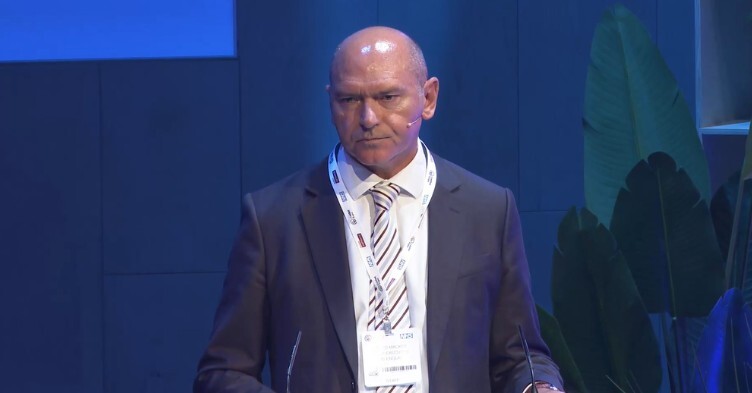
The school’s director and strategic nurse lead Rachel Viggars told Nursing in Practice she had received 137 applications from nurses wanting to join the GPN training programme this year.
Following a robust recruitment process, 31 were interviewed last week.
But despite around 140 GP practices in the area being eligible, currently, only six are on board to support a GPN trainee.
‘Ideally, we could do with getting on for 20,’ said Ms Viggars.
Related Article: NHSE chief calls for ‘better balance’ between primary and secondary care
‘We’re in conversations with lots and lots of practices, but it’s just really hard to get them to engage and sign on the dotted line.’
She added: ‘We’ve got such a calibre of nurses that could come and really make a difference in general practice, and I think we’ve got to start thinking about the different models of primary care, and what that’s going to look like,’ she said, citing the government’s shift to neighbourhood working.
‘We need nurses up front and centre of those integrated neighbourhood teams, and how can we do that if we can’t even recruit them to practices?’
Those on the GPN school programme attend while being employed on a full-time contract for 12 months – some via a primary care network or the additional roles reimbursement scheme (ARRS) and some directly by a GP practice. The nurses typically spend one day a week at university and half a day together as part of a fellowship day. Participants also have 26 hours of clinical time per week.
Practices are given a small funding package to support supervision and are asked to fund the salary of the nurse at the bottom of a Band 5 (equivalent to Agenda for Change).
A lot of the challenges being cited are from practices saying ‘they haven’t got the finances to support nursing’, explained Ms Viggars.
‘They’re in a really difficult place. It’s not about being critical, it’s about the situation that primary care is finding themselves in,’ she said.
‘We’ve got practices that want to be part of it, but are saying their accountants are saying “we can’t afford to do this”.’
She described some practices having to wait until a nurse retires before they have space to bring someone in, either because of funding issues or due to a lack of estates room.
‘I think what we are seeing is, when I’m speaking to practice managers, they are starting to see that nurses are important, but [they] still can’t do it, so how do [they] make it doable?’ added Ms Viggars.
On the other hand, she also said she was concerned the role of GPNs was being ‘fragmented’ and that some practices ‘don’t get the value of a general practice nurse’.
‘We’ve got some practices that have got really good nursing teams, and they think “we wouldn’t manage without our nurses” and then we’ve got practices with no nurses at all,’ said Ms Viggars.
Related Article: Women in social care facing ‘persistent barriers’ to progress, warns Care England
Some nurses on the scheme previously have been funded through the ARRS and Ms Viggars stressed this was still an option.
However, she has found that ‘a lot’ of PCNs have been pushed to spend their ARRS money and use it up.
‘If you don’t spend it, you lose it, which means they’ve spent it without really foresight planning of what they’re going to need, rather than being able to wait for a programme, and that’s a shame,’ she said.
It was her view that ringfenced funding was needed for general practice nursing to help support workforce growth and stability.
‘There’s an opportunity here for nursing and for primary care to flourish with nurses, because we’re the only ones that cover the whole lifespan of patients from preconception to end of life and beyond, and all that family holistic care,’ explained Ms Viggars.
‘Nobody else covers the four fields of nursing like general practice nurses do.’
She added: ‘Often we just hear that it’s to do with funding and financing, and it probably is.
‘But we’ve got to start looking at how can we protect some of that to ensure that we’ve got what we need for the future.’
Related Article: International care workers to challenge ‘cruel’ visa changes outside Westminster
Ms Viggars leads the school alongside training programme lead Gill Boast.
It has always been the vision of Ms Viggars and Ms Boast that the school is replicated nationally – potentially in the form of a deanery – to remove the ‘ad hoc nature’ of recruitment and education of nurses in primary care.
In an update this week, Ms Viggars said high level conversations on this were ongoing and that she felt the move was gaining ‘traction’.
There is still time to register to attend our Community Pharmacy and General Practice Conference in Birmingham on 21-22 June 2026. The new conference, delivered in partnership with Nursing in Practice and the National Pharmacy Association (NPA), is focused on shaping the future of neighbourhood health services and shifting more care into the community.

See how our symptom tool can help you make better sense of patient presentations
Click here to search a symptom