Internationally educated nurses experiencing ‘unprecedented levels’ of hardship



Internationally educated nurses and midwives working in the UK are often experiencing ‘unprecedented levels’ of financial hardship, a report has warned.
The Royal College of Nursing (RCN) Foundation revealed in a new report that over the last three years it had seen a staggering increase in hardship grants given to nurses and midwives from overseas.
Internationally educated nurses and midwives (IEN/Ms) are subject to strict immigration restrictions such as having no recourse to public funds (NRPF), meaning that while they pay tax and national insurance, they have no access to welfare benefits.
Between 2022 and 2025, the RCN Foundation – which is the charity arms of the RCN – stated there had been a 475% increase in hardship grants awards to individuals with NRPF.
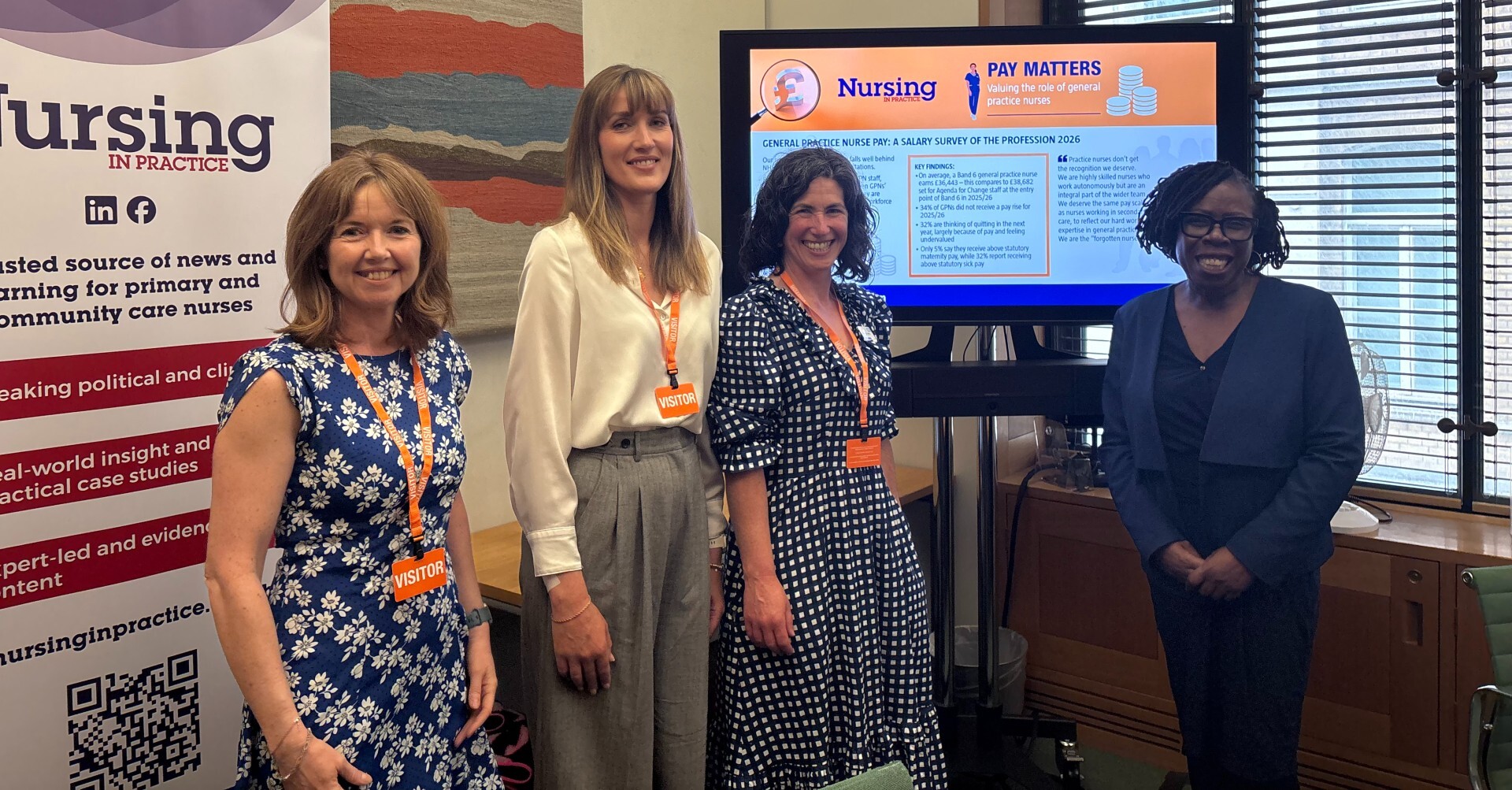
Related Article: Nursing in Practice takes general practice nurse pay concerns to Parliament
Grant recipients are facing ‘a range of issues’ including maternity and childcare issues, increased cost-of-living, unexpected loss of employment, and fitness to practise referral, according to the report.
Additionally, 55% of grant recipients who had NRPF in 2025 were assessed as experiencing hardship whilst employed.
The RCN Foundation report states that IEN/Ms have ‘contributed immensely’ to the UK nursing and midwifery workforce, ‘yet despite their numbers, they are arguably one of the most vulnerable groups within [the] healthcare landscape, often experiencing unprecedented levels of hardship’.
A recent survey by RCN revealed that only one third of IEN/Ms intend to stay in the UK permanently, with one key factor being the NRPF rule.
The charity is now urging the government to remove the rule.
Deepa Korea, director of the RCN Foundation, said: ‘There is no question that internationally educated nurses and midwives are, and have always been, integral to the delivery of the UK’s health and care services.
Related Article: NHSE sets out instructions for trusts on Band 5 nurse role review
‘They are a vital part of the workforce, yet the system under which they are able to work in the UK inherently disadvantages them.
‘This policy creates unnecessary hardship and risks driving skilled professionals away from the UK – a loss our health and care system simply cannot afford.
‘The single biggest difference that the government could make to improving this situation is to remove the no recourse to public funds condition, sending a clear
message that internationally educated nurses and midwives are valued and welcome, and that they make an essential contribution to the UK’s health and care services.’
The news comes a ‘significant fall’ in the number of UK visas granted to international nurses, according to statistics published in the most recent NHS Pay Review Body (PRB) annual report.
Related Article: NMC unveils ‘anti-racism’ principles for nursing practice and education
NHS England told writers of the report that it had ‘stopped incentivising’ NHS trusts to recruit internationally, adding that ‘the focus was on domestic workforce supply’.
The RCN previously warned that up to 46,000 nursing staff could leave the UK if latest government proposals to double the qualifying period for Indefinite Leave to Remain (ILR) are approved. The Home Office has been consulting on increasing the ILR threshold from five to 10 years.

See how our symptom tool can help you make better sense of patient presentations
Click here to search a symptom