‘Many’ nurses taking on responsibilities outside their role, finds NMC


Many nurses and midwives are being asked to take on responsibilities outside their role on monthly basis, including those of more junior colleagues and non-health or care staff, new data from the nursing regulator has revealed.
A survey of 37,961 nursing and midwifery professionals – carried out by the Nursing and Midwifery Council (NMC) – saw almost half (45%) of nurses, midwives and nursing associates say they are being asked to carry out activities which should have been done by colleagues in a more junior role at least once a month.
Of those, 21% said this happened daily and 16% saying it occurred at least once a week.
A further 42% reported being asked or required to undertake activities usually completed by non-health or care staff role at least once a month – including 19% who said this was happening daily and 15% weekly.
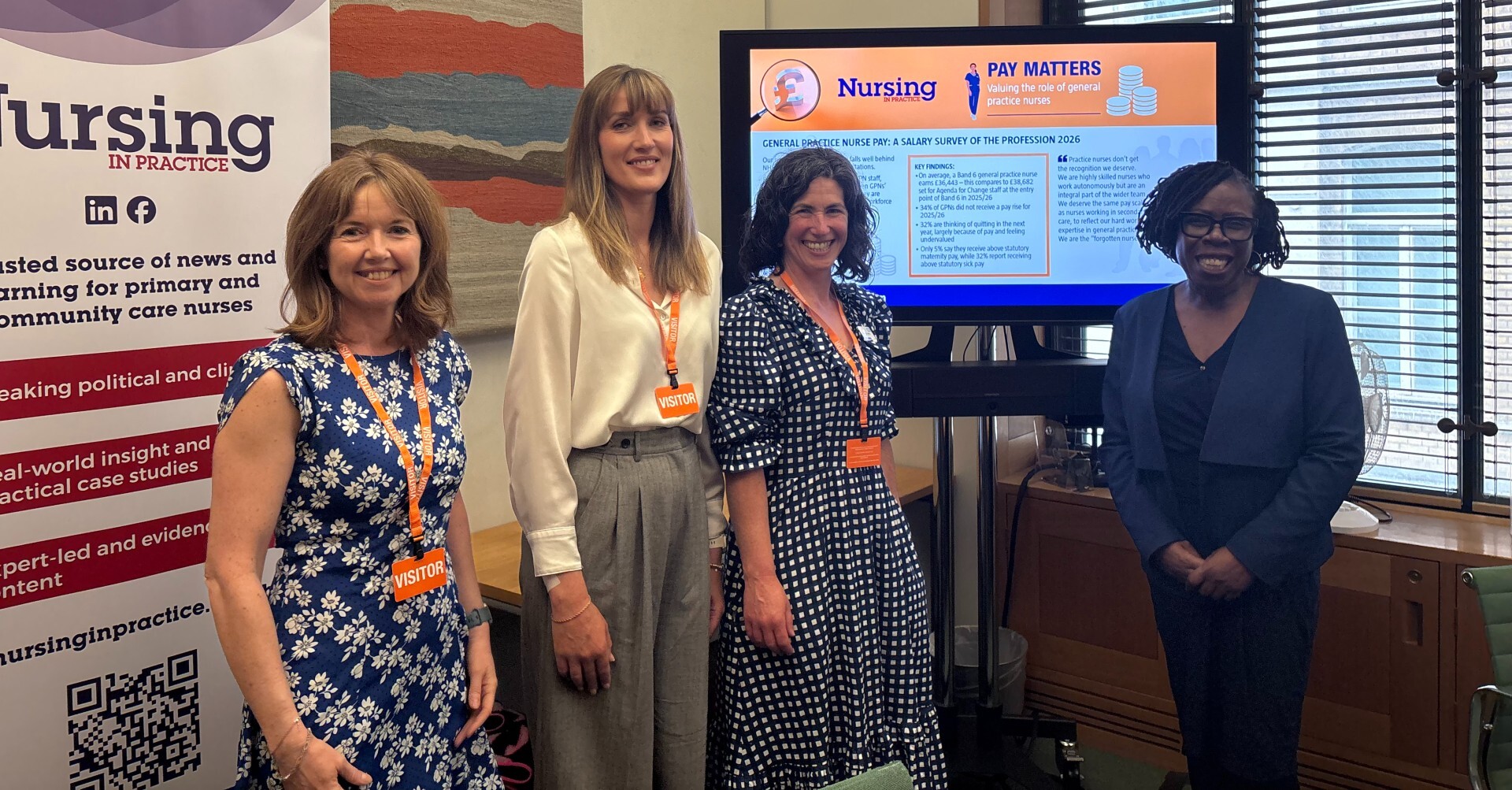
Related Article: Nursing in Practice takes general practice nurse pay concerns to Parliament
Meanwhile two-fifths (40%) said they had been asked to perform tasks more senior than their role at least monthly.
More widely, results suggested a workforce under pressure, with 34% reporting that they felt ‘unable to cope’ with workload at least once a week.
More than half (54%) said it was difficult to take breaks because of ‘the intensity’ of their workload at least once a week.
And many professionals reported that pressure on workload and capacity had led them to consider or take steps toward leaving the profession (36%).
As well as considering leaving, 19% reported pressure on workload had led them to take a leave of absence due to stress.
Dr Helen Anderson, a researcher from the University of York, said she was not surprised about the figures.
‘Nursing is often defined as fluidly fitting the gaps that other services miss and we often have to carry out work that would otherwise be left undone,’ she said.
‘When nurses are carrying out non-clinical work, or that which is able to be done by juniors, it takes nurses away from the highly skilled work they should be doing, or they have to work longer hours and through breaks, all of which have negative impacts on both nurses and patient care.’
Related Article: NHSE sets out instructions for trusts on Band 5 nurse role review
She added that being expected to work at a higher level creates patient safety risks but also causes tension that work would otherwise be left undone.
‘It puts nurses in a difficult position professionally as they are professionally required to work within their competency and highlight deviations to this,’ she said.
‘This tension negatively affects professional identity and can lead to moral distress.’
Responding to the NMC’s 2025 spotlight report, which covers the survey findings and was published last week, Lynn Woolsey, chief nursing officer for Royal College of Nursing said the findings shows ‘the dashboard is flashing red for a workforce drowning under unmanageable workloads, unsafe staffing levels within toxic environments’.
Related Article: NMC unveils ‘anti-racism’ principles for nursing practice and education
The figures come after an exclusive Nursing in Practice survey, published last year, revealed that 97% of general practice nurses (GPNs) stated their workload was ‘very’ or ‘somewhat intense’.
They described the ‘constant pressure’ and sometimes unsafe conditions they are working under to meet increasing demands.
Nursing in Practice has this week launched a new and exclusive survey to gather information and views from nurses working in general practice about all things pay, pensions, benefits and job satisfaction. It should take around 10 minutes to complete – and if you leave your contact details you will be entered into a prize draw of £200 in vouchers of your choice.

See how our symptom tool can help you make better sense of patient presentations
Click here to search a symptom