NMC pushes ahead with registration fee rise despite member opposition
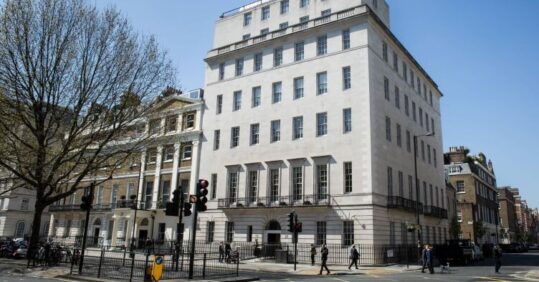


The Nursing and Midwifery Council (NMC) is pressing ahead with a proposed fee increase despite feedback in its own consultation dubbing it ‘unreasonable’.
Recommendations due to be made at the regulator’s council meeting next week would increase the annual registration fee for professionals from £120 to £143.
The regulator, which says it is in an ‘unsustainable financial position’, said the £1.92 per month increase, if approved, will be the first fee rise in 11 years.
However, feedback from a 12-week consultation held between 3 November 2025 and 26 January 2026 showed opposition to the increase, despite the NMC saying many respondents demonstrated ‘strong levels’ of understanding of its rationale.
An online survey was completed by 40,641 respondents, alongside four focus groups with registered professionals and two with nursing and midwifery students.
A majority of respondents (81%) disagreed that the proposal was reasonable, with over 63% strongly disagreeing.
Related Article: Report highlights impact of nature-based projects led by community nurses
In focus groups, participants acknowledged that the proposed increase was ‘affordable in isolation’ but felt unreasonable at this time given the high cost of living.
Respondents were also asked about the NMC’s plans for future investment. While the majority agreed with the investment areas, such as training and education, many said these areas were ‘business as usual’ and queried why additional investment was necessary.
The NMC reported in council papers prepped for next week that, more broadly, the responses ‘revealed a low understanding of the regulators role and function’ with participants in focus groups ‘struggling to see tangible benefits for their registration fees’.
Some respondents also felt that they were being asked to pay for past shortcomings at the NMC.
Unions were also asked for feedback on the consultation. They stated that the consultation provided ‘insufficient information’ to assess whether the increases were justified, relying only on general financial pressures rather than specific cost analysis.
The regulator said it ‘carefully considered’ the responses and acknowledged that registrants are experiencing financial pressures. It also noted that most respondents disagreed with the proposals to increase the fees.
However, the regulator said the continued freeze in the fee is ‘no longer sustainable’ but has ‘kept the proposed rise at the lowest level it can, recognising the ongoing pressures on registrants’ finances.’
Paul Rees, NMC’s chief executive, said: ‘We know from our consultation that many nurses, midwives and nursing associates remain under real financial pressure.
‘It’s clear from the consultation that most registrants understand our financial rationale. For 11 years, we’ve deliberately held the registration fee at the same level to avoid adding to cost-of-living pressures. However, this is no longer sustainable.’
Related Article: MenB jab uptake in babies increases but ‘significant’ variation for MMRV, early data shows
He continued: ‘We’re acutely aware of where our income comes from, and we’re committed to ensuring that every pound is used responsibly and delivers value, continuing the steady improvements we’re making across our regulatory work.
‘Many registrants in the consultation also told us that they understand the importance of investing in regulatory improvements, faster, fairer processes, stronger and clearer standards, better education quality assurance, and modern digital services.
‘By asking the council to approve this increase, we’re hoping to lead the NMC into a sustainable financial future, where we’re able to meet the growing demands on our work and to continue investing in critical change and improvement programmes, to build a new NMC that is the strong and independent regulator everyone wants to see.’
The NMC warned last year that its financial reserves would fall to ‘unsafe levels’ by the summer of 2027 if registration fees are not increased.
The regulator’s reserves have dropped from £101m in March 2024 to around £49.6m currently and are projected to fall to £15.9m in March 2027 if there is no increase in the fee.
It noted that if fees had risen in line with inflation, the fee would now be more than £166 and it ‘would have benefitted from additional income of some £180m in the 10 years up to the end of March 2026’.
The regulator added that the number of registrants rose from 686,782 in 2015 to 867,935 by 2026, meaning ‘greater demand’ on services such as registration and revalidation, while annual Fitness to Practise (FtP) referrals have risen by 21% since 2015.
Related Article: Hundreds of new nurses and midwives not offered NHS roles due to lack of vacancies
If approved on 28 April, the new fee rules will come into force in October 2026.
Fee Increase Proposals
| Fee Type | Registrants | Current Fee | Proposed New Fee |
| Initial registration application fee | Overseas applicants | £153 | £182 |
| Retention fee (paid annually on the 1st and 2nd anniversary of registration) | All | £120 | £143 |
| Initial registration application fee | UK Applicants | £120 | £143 |
| Renewal fee (paid at the end of the registration period on the 3rd anniversary). | All | £120 | £143 |
| Evaluation fee (to evaluate international qualifications and assess eligibility to apply for registration) | Overseas applicants | £140 | £167 |
| Application fee for entering an additional preregistration qualification | All | £23 | £27 |
| Application fee for entering on the register a recordable qualification (post-registration qualifications) | All | £25 | £30 |
| Application for readmission or restoration to the register | All | £120 | £143 |

See how our symptom tool can help you make better sense of patient presentations
Click here to search a symptom