Treasury extends prescription charge freeze in move to ease cost of living pressures



The NHS prescription charge will remain frozen at £9.90 in England for a further year, chancellor Rachel Reeves has announced ahead of the budget on 26 November.
The Treasury said the decision was expected to save patients around £12m in 2026/27 and help ensure that cost does not prevent people from accessing medicines.
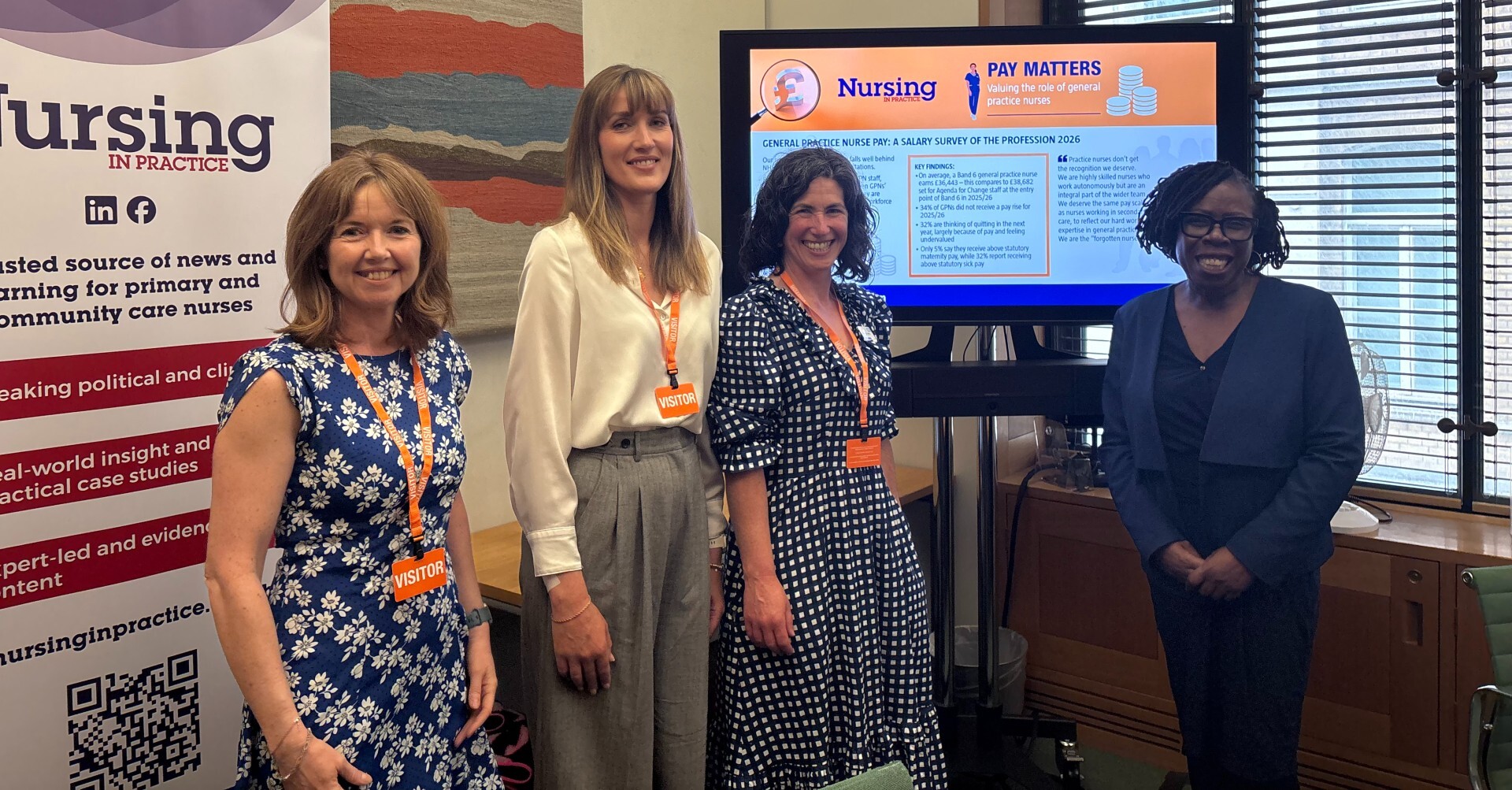
Related Article: Nursing in Practice takes general practice nurse pay concerns to Parliament
Ms Reeves said the measure was part of broader efforts to support households as the cost of living continues to impact working people.
‘No one should put their health at risk because they can’t afford their medication,’ she said.
The freeze applies to single prescription items, as well as to prepayment certificates, which cover multiple prescriptions over three or 12 months. These certificates will also remain at their current cost in 2026/27.
Related Article: NHSE sets out instructions for trusts on Band 5 nurse role review
Prescription charges were frozen for the first time in three years in 2024/25. Around 89% of prescriptions in England are already provided free of charge, including to children, pensioners, pregnant women and people with some health conditions.
Health and social care Secretary Wes Streeting said the freeze would help ensure patients could continue to access the treatment they need.
Related Article: NMC unveils ‘anti-racism’ principles for nursing practice and education
‘We’ve already made the morning-after pill available free of charge at all pharmacies, and as well as keeping prescriptions under a tenner, we’re making sure you can get the care you need closer to home to keep travel costs down,’ he said.
The NHS Low Income Scheme also provides support with prescription costs for eligible people including pensioners, students, those in receipt of certain benefits and people who live in care homes.

See how our symptom tool can help you make better sense of patient presentations
Click here to search a symptom