
How this lead nurse for LD is supporting GP staff and improving patient outcomes
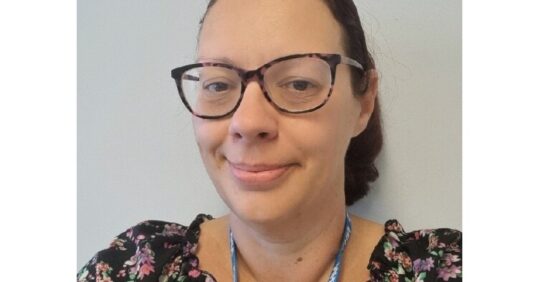


Responding to a recent Nursing in Practice feature The life-saving work of LD nurses in general practice, Jenny Balls from West Lodge Surgery in West Leeds PCN has written in to evidence the impact of a lead role for learning disability (LD) in general practice.
I am a general nurse by background, and until April this year, I was working as an advanced nurse practitioner in a GP surgery, seeing acutely and chronically unwell patients of all ages.
At the practice, I was also the lead for vulnerable groups which included LD and severe mental illness. I saw all our LD patients for their annual health check (all 120 were eligible) and developed a great relationship with my families, supporting them not only through their annual health checks, but also being a point of contact within the GP practice for them.
To ensure that I was able to offer them the best support I built up a great relationship with the community LD team (as I am not an LD nurse). They, in turn, found someone who was changing the way LD patients were managed within a GP practice and who was passionate about ensuring that LD patients had good quality health checks. This was only a very small part of my role, but a part that I was completely passionate about.
Moving into the role
About two years ago, I went back to university to undertake the Assessing the medical needs of adults with a learning disability course, which was excellent – mostly attended by GPs/doctors.
Then, when I then decided to leave the ANP role, I was approached by a contact in the community LD team about a new role that was being developed within the West Leeds PCN – and they wanted me to apply. The title of the role was lead nurse for LD, and key was that that it was around the physical and emotional wellbeing of the LD population within West Leeds, focusing on annual health checks. As I was an advanced practitioner; a non-medical prescriber, and already had experience in general practice, I seemed well placed to undertake it.
Related Article: The life-saving work of LD nurses in general practice
I started the role in April this year and initially focused on auditing the previous years’ annual health checks which were undertaken by a variety of practitioner – practice nurses, GP, pharmacists and physician associates. I audited a number of elements that are important as part of the health check: medication reviews; physical hands of examination; cancer screening discussions; vaccination discussions; advanced care planning; long term illness assessments (asthma, diabetes, heart failure etc); reasonable adjustments/digital flags and having a good quality health action plan. The outcome of that audit was quite shocking, and clearly a lot of work was needed to be done.
I was given free rein by the PCN to develop the role how I needed to offer the best outcomes for our patients, their carers and the GP practices. What started out as me just performing very good quality health checks has developed into a very much supporting role for all things LD within the PCN.
Taking things a step further
Our PCN has about 70,000 patients within six practices. I have 372 patients over the age of 14 who are eligible for LD reviews, and so far since May, I have managed to see about 250 of them. Each patient has between 1 and 1.5 hours with me to cover a complete top to toe assessment.
The review is about getting to know them, their carers and families. They are given the option of face to face at their practice or a home visit. We cover all aspects of their life, and look at any emotional, social, physical issues they have going on. Together we complete a full and comprehensive health action plan, so we each know all the health concerns/issues, and who is doing what to manage them.
I have taken it a step further and created an email address that is given to their carers, so they have a point of contact within their GP practice. This is not for any urgent issues, but for support in identifying services/signposting/chasing up information for carers and families. Since May, I have had over 150 emails in this inbox, which means 150 less contacts with the GP surgery.
Making a difference
Examples of requests I might receive are: clarification on dosing of medication; support writing a bowel care plan for a supported living place; an enquiry as to whether a resident is still on the waiting list for community dental team; writing a supporting letter for council transport for a SEN teenager, and a request for a visit for flu vaccination rather than them having to go to the surgery.
I have time allocated within my role to be able to offer this kind of support.
Here are a few more examples of how having one person in this role can not only benefit patients, but families, carers, GP practices, reducing unplanned hospital admissions and reducing overall costs on GP services and LD/MH teams.
A patient with challenging behaviour who has had significant weight loss needed CT scan and bloods under sedation. I organised and co-ordinated an MDT between the community LD team, the hospital LD team, the psychiatrist, anaesthetist, and the hospital consultant for LD, and I have been keeping mum up to date with the progression.
Related Article: Streeting urges GP practices to improve access for people with a learning disability
I visited a lady at a supported living home who was nonverbal and with reduced mobility. I spoke with her parent at length about her background and how he feels she is, and then we got staff to support her onto her bed so I could do a breast/abdo check, which could be difficult to achieve. She needed a referral for a lump, and I was able to liaise with the breast screening department to arrange a suitable visit (quiet time, low lights and noise, extra staff to support). Luckily the lump was a cyst, but the family, care staff and the breast unit were very pleased with the process.
I have liaised with the dieticians and our PCN pharmacy team to support a new PEG feed regime for a young lady who had new carers: writing a clear and comprehensive care plan about what order to give medications; fluids; how much of a gap is needed between certain meds; and which medications could be mixed together.
I have contacted social services about a mum who is in her 80s looking after her 66-year-old daughter on her own with no support. Mum has had a couple of falls, including one where she was knocked out for a while but she didn’t go to hospital because there was no one to look after her daughter. I was able to go out to her home, have a cup of tea, discuss her concerns and support her with adult social care to come up with a plan for her daughter if it was needed in the future.
Working with GP practices
I am involved in supporting GP practices when they have someone who is coded as ‘learning difficulties’, but they feel the person has a disability. I am able to deep-dive into their records – electronic and paper – and make a clinical decision on whether or not the person may need further assessment. I am then able to do that assessment using the inclusion tool, reaching out to the community LD nurses for advice if needed.
I am also a point of contact for GPs and nurses for general advice, such as knowing where to look for easy-to-read information or signposting for particular support groups.
I am also very hopeful that the work I do improves not only health outcomes, but patient and carer experience as well.
Related Article: Learning disability nursing needs urgent ‘rescue plan’
In the new year, I am looking at going out to our many supported living homes to offer training around cancer screening, breast/testicle examination, mole management, skincare, etc.
This is genuinely the best job I have ever had. General nurses who are advanced practitioners can be fantastic in this role, as well as LD nurses.
Jenny Balls is lead nurse for learning disabilities at West Leeds Primary Care Network

See how our symptom tool can help you make better sense of patient presentations
Click here to search a symptom