NHSE flags role of school nurses in ensuring reproductive health is ‘taken seriously’



School nurses are vital to ensuring girls’ reproductive health concerns are recognised and acted upon, MPs heard during a Women and Equalities Committee (WEC) evidence session last week.
The session formed part of the committee’s inquiry into reproductive health conditions among girls and young women, which is examining awareness, access to care and the role of education and health services in supporting young people.
Empowering girls
Giving evidence, Sue Mann, national clinical director for women’s health at NHS England (NHSE), highlighted the importance of early support and clear routes into healthcare.
She told MPs: ‘It’s about empowering girls themselves and their parents to say actually, you need some help here, then really getting to the healthcare professionals, the school nurses, to make sure the girls are taken seriously and that there’s a route of access for them to say “I can’t manage this”.’
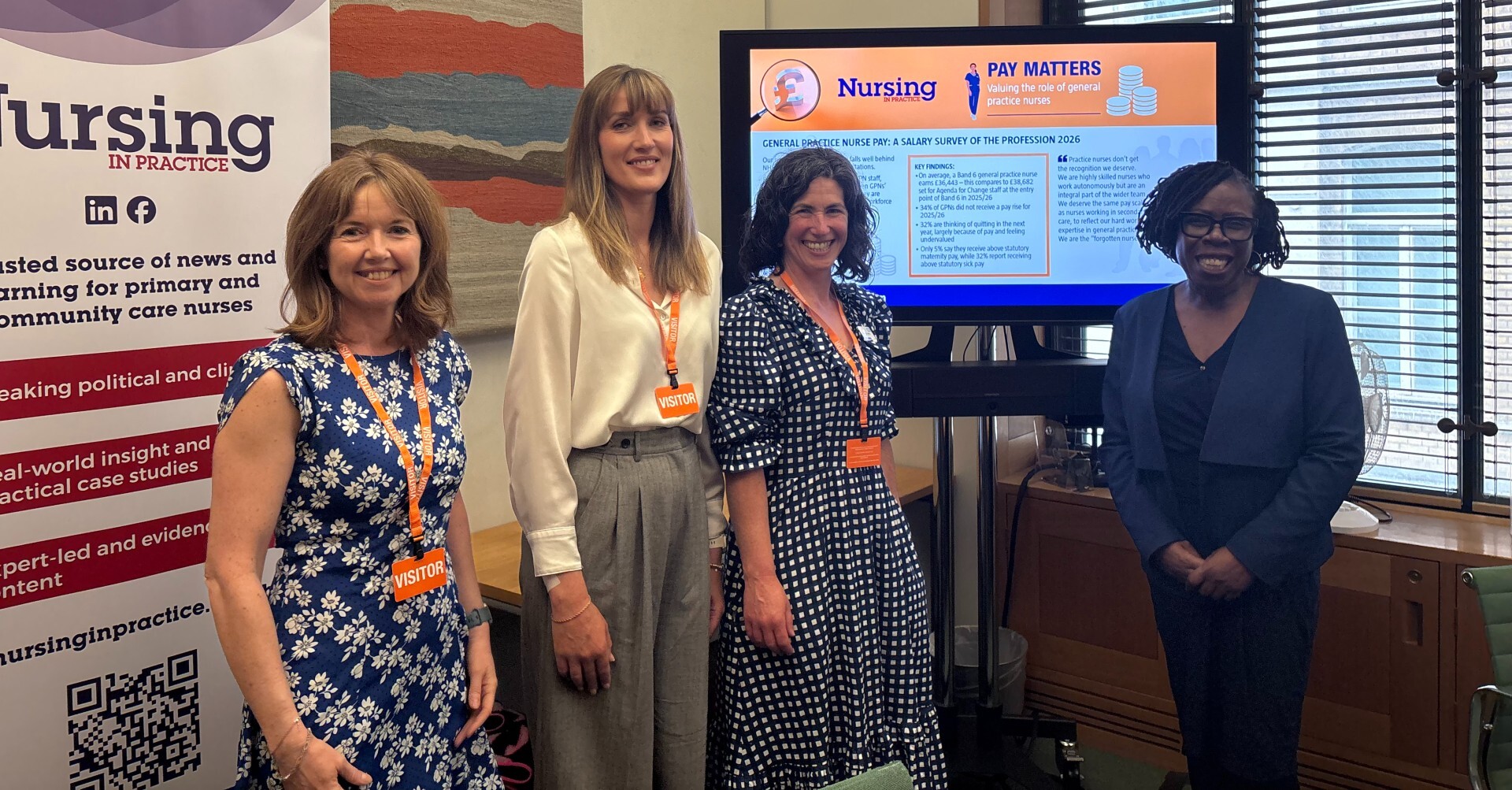
Related Article: Nursing in Practice takes general practice nurse pay concerns to Parliament
The School and Public Health Nurses Association (SAPHNA) said it fully agreed with Ms Mann’s comments, pointing to significant challenges facing the school nursing workforce.
The need for ‘quality’ information
Jane Graham, SAPHNA expert advisory board member and school nurse, said: ‘The current difficulties include the lack of school nurses to deliver quality, medically based information and support in schools, allowing children to ask relevant questions and receive appropriate responses and support.’
She added that the current curriculum around health in schools is ‘so full’ that there is ‘little time’ to cover reproductive health in more detail.
She questioned where pupils can go to for support and information around reproductive health if a school nurse was not readily available.
‘Where there are nurses in schools, particularly in independent schools where the nurse is based solely in one school, there is a greater opportunity to address these issues.
‘This is one of the reasons SAPHNA is campaigning for a nurse in every school’, Ms Graham added.
Related Article: NHSE sets out instructions for trusts on Band 5 nurse role review
‘Postcode lottery’
Another spokesperson for SAPHNA told Nursing in Practice: ‘SAPHNA and school nursing always advocate for girls and all young people and would support them in their health needs and empower them to make informed choices about their health and wellbeing, including reproductive health.’
They noted that there is a ‘postcode lottery’ of school nurse provision due to workforce pressures, with a 2024 report by the organisation revealing that over four in five school nurses say there are not enough staff to deliver a school nursing service.
The importance of nurses’ roles in women’s health has also been highlighted more widely in recent weeks.
This week the charity Eve Appeal stressed how nurses have ‘a key role to play’ in the fight against HPV-related cancers by raising awareness of vaccination and screening.
Also appearing before the committee last month, Ruth Bailey, an advanced nurse practitioner specialising in sexual health, said general practice nurses (GPNs) are the ‘backbone’ of sexual and reproductive healthcare in England.
Related Article: NMC unveils ‘anti-racism’ principles for nursing practice and education
But she warned that practice nurses are being held back by gaps in training, workforce pressures and unequal pay.
Ms Bailey discussed wider women’s health issues on the Nursing in Practice podcast in December, where she joined acting editor Megan Ford to discuss the upcoming inclusion of menopause questions in regular health checks.

See how our symptom tool can help you make better sense of patient presentations
Click here to search a symptom