Nurses must not advertise Botox or other prescription-only meds
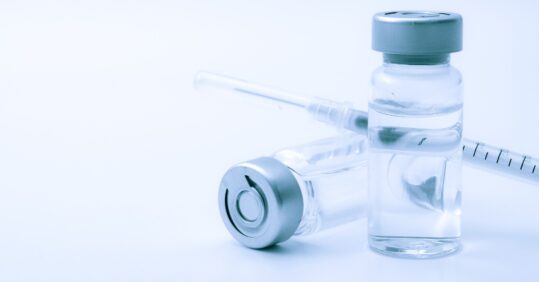


Nurses have been reminded that prescription-only medicines (POMs) and treatments, including Botox, must not be advertised to the public and that doing so could result in suspension or a revoked licence to practice.
The Nursing and Midwifery Council (NMC) has this week directed nurses and midwives to a new advice sheet from the Committee of Advertising Practice (CAP), which provides information on the rules and laws and the possible consequences of breaching them.
The advice sheet reminds nurses and other healthcare professionals that advertising POMs ‘is a breach of not only the CAP Code, but also the law’.
Related Article: Research insights: the latest updates from clinical papers
Health professionals have been asked that if any adverts they use references a POM, ‘directly or indirectly’, they should ‘remove or amend that ad’ and that future ads must also not promote them.
The CAP explained that prescription-only medicines include Botox, Kenalog and Vitamin D and B12 injection.
And it warned: ‘If you continue to advertise POMs, you could face sanctions.’
‘You could be listed on our non-compliant online advertiser page. It is likely we will refer you to representative or professional association of which you may be a member, to be assessed under their own rules or code of conduct. This could result in your membership being suspended or your licence to practice being revoked,’ it added.
The committee said it would work with social media platforms to get non-compliant ads removed and that this includes organic posts on a health professional’s own social media channel.
The rules apply to ads in all media, it explained, including on social media (paid ads and organic posts), pay-per-click ads, direct mail and newspapers.
Related Article: Understanding rare diseases and how to support patients with them
‘The provision of factual information on your own website may be acceptable, provided no references to POMs appear on the homepage and that such references are not promotional in nature,’ the CAP added.
Last year, the Department of Health and Social Care announced its intention to introduce measures to crack down on unsafe cosmetic procedures which it says have ‘left people maimed, injured and in need of urgent NHS care’.
New government regulations will mean only qualified healthcare professionals such as nurses will be able to perform ‘high-risk’ cosmetic procedures, such as Brazilian Butt Lifts.
Stricter oversight of lower risk cosmetic treatments – including Botox, lip fillers and facial dermal fillers – will also be introduced through a new ‘local authority licensing system’.
Related Article: Multimillion-pound fund opens for projects aimed at improving men’s health
In September, the Medicines and Healthcare products Regulatory Agency (MHRA) said it had launched a number of criminal investigations into the illicit trade of unlicensed Botox products used in cosmetic procedures following a ‘spike’ in hospital admissions linked to their use.
And in December, nurses urged Scottish politicians to strengthen accountability, training standards and reporting mechanisms for non-surgical cosmetic procedures following rising reports of unsafe procedures being completed by unregulated professionals.

See how our symptom tool can help you make better sense of patient presentations
Click here to search a symptom