Concern as new GP contract ‘focuses solely on medical workforce’



The chief executive of the Queen’s Institute of Community Nursing (QICN) has raised concerns that the new GP contract appears to focus ‘solely on the medical workforce’.
Steph Lawrence told Nursing in Practice that general practice nurses (GPNs) were ‘fundamental’ to many of the changes announced today and that ‘recognising and involving’ the profession in the planning and investment of primary care was therefore ‘essential’.
The new 2026/27 contract, details of which were unveiled in a letter from NHS England today, set out a £485m funding uplift and plans to boost GP recruitment through a practice-level reimbursement scheme and by extending the Additional Roles Reimbursement Scheme (ARRS) to experienced GPs.
It also confirmed plans for new incentive payments that will be given to GP practices that don’t hit childhood vaccination targets but that are making ‘progress’ with uptake, as well as expanded access to weight management support and weight loss jabs in GP practices.
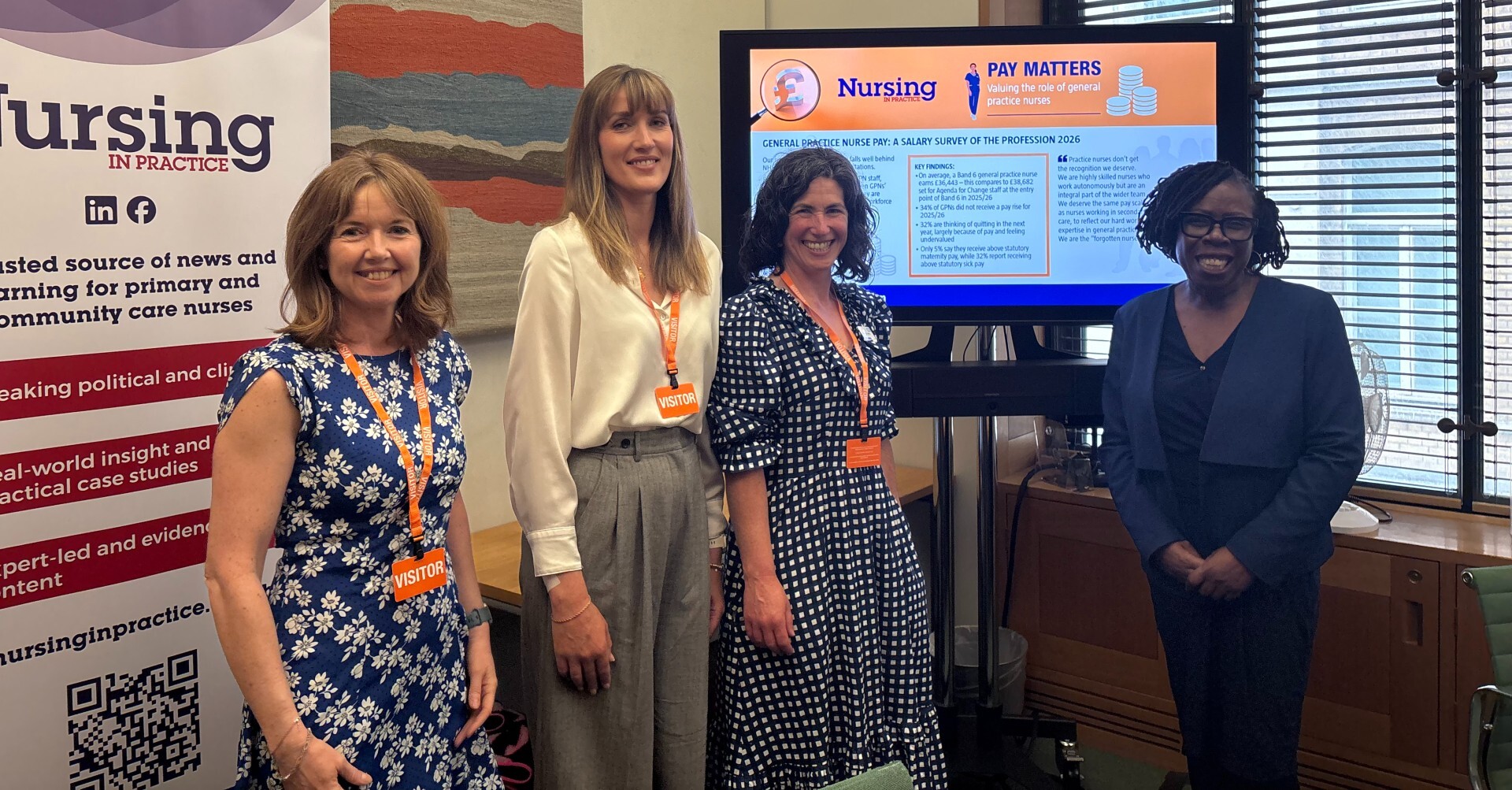
Related Article: Nursing in Practice takes general practice nurse pay concerns to Parliament
A new requirement that means patients identified as clinically urgent will be ‘dealt with’ on the same day has also been introduced, with GP practices asked to determine which patients are urgent.
However, there are concerns about a lack of focus on GPNs within the contract changes announced.
QICN chief executive Ms Lawrence said while the news of increased funding was ‘welcomed’ by the charity, ‘it is concerning that the focus appears solely on the medical workforce’.
She said: ‘Practice nurses and their teams are fundamental not only to same-day access but also to the management of long-term conditions and the delivery of childhood immunisations.
‘Recognising and involving this critical workforce in planning and investment is essential to ensure the benefits reach patients across the full spectrum of community care.’
The concerns follow attempts last year to get GPNs an official space to negotiate pay and conditions during discussions for the 2026/27 General Medical Services (GMS) contract.
Related Article: NHSE sets out instructions for trusts on Band 5 nurse role review
The Royal College of Nursing (RCN) wrote to the primary care minister Stephen Kinnock about the need to give the college a seat following announcements that the British Medical Association (BMA) would no longer be the sole negotiator of GP contract terms for the next financial year, and that other organisations, including the Institute of General Practice Management (IGPM) and Royal College of General Practitioners (RCGP), had been given a place at the table.
Patricia Marquis, RCN director for England, told Nursing in Practice last year that she would continue to press the government for an answer, stating it’s a ‘major issue’.
Previously, concerns have also been expressed about the ARRS scheme following an announcement that in February last year that all practice nurses could be recruited through the scheme.
Nursing in Practice is currently running a survey of GPNs on all things pay, terms and conditions, and job satisfaction. It should take around 10 minutes to complete – and if you leave your contact details you will be entered into a prize draw of £200 in vouchers of your choice.
Related Article: NMC unveils ‘anti-racism’ principles for nursing practice and education
Nursing in Practice also continues to run its How Nurses Count campaign – a movement to champion the profession and share best practice and innovation. We are still looking for primary and community care nurses to share with us details about latest projects, clinics and initiatives they are running and leading.
Through short interviews with our news team, we hope to collate a bank of evidence on the safety-critical and pioneering work undertaken by nurses outside hospital settings. Get in contact via [email protected] and help us show just how those working in primary and community care count.

See how our symptom tool can help you make better sense of patient presentations
Click here to search a symptom