Flexible working ‘critical’ for community nursing workforce, MPs told


Ensuring community nurses have access to flexible working opportunities will be ‘critical’ to supporting recruitment and retention efforts as the government moves towards a neighbourhood health service, an influential committee of MPs has been told.
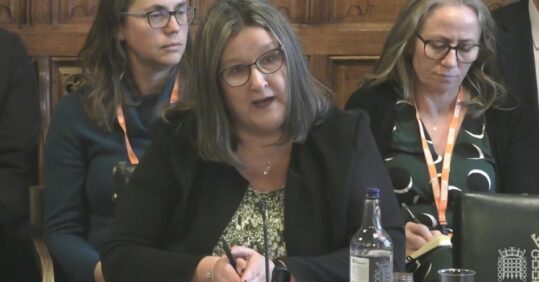
Speaking in a Health and Social Care Committee meeting on the NHS workforce and the shift to neighbourhood care, chief executive of the Queen’s Institute of Community Nursing (QICN) Steph Lawrence said community nurses, including health visitors and school nurses, would be instrumental to the government’s plans.
She argued that neighbourhood working already existed across the country and that nursing was ‘central to it’.
Her comments come as the government this week committed to opening 250 neighbourhood health centres – staffed by nurses, GPs, pharmacists and dentists – with 100 of these to open by 2030.
Ms Lawrence was asked by MPs what actions the government needed to take to support recruitment and retention of the community nursing workforce as ministers increasingly look to shift care away from hospitals, and what the highly anticipated NHS workforce plan needed to include for the profession.
Crucially, the QICN chief executive said the government must understand what community nursing means and what happens within community nursing care.
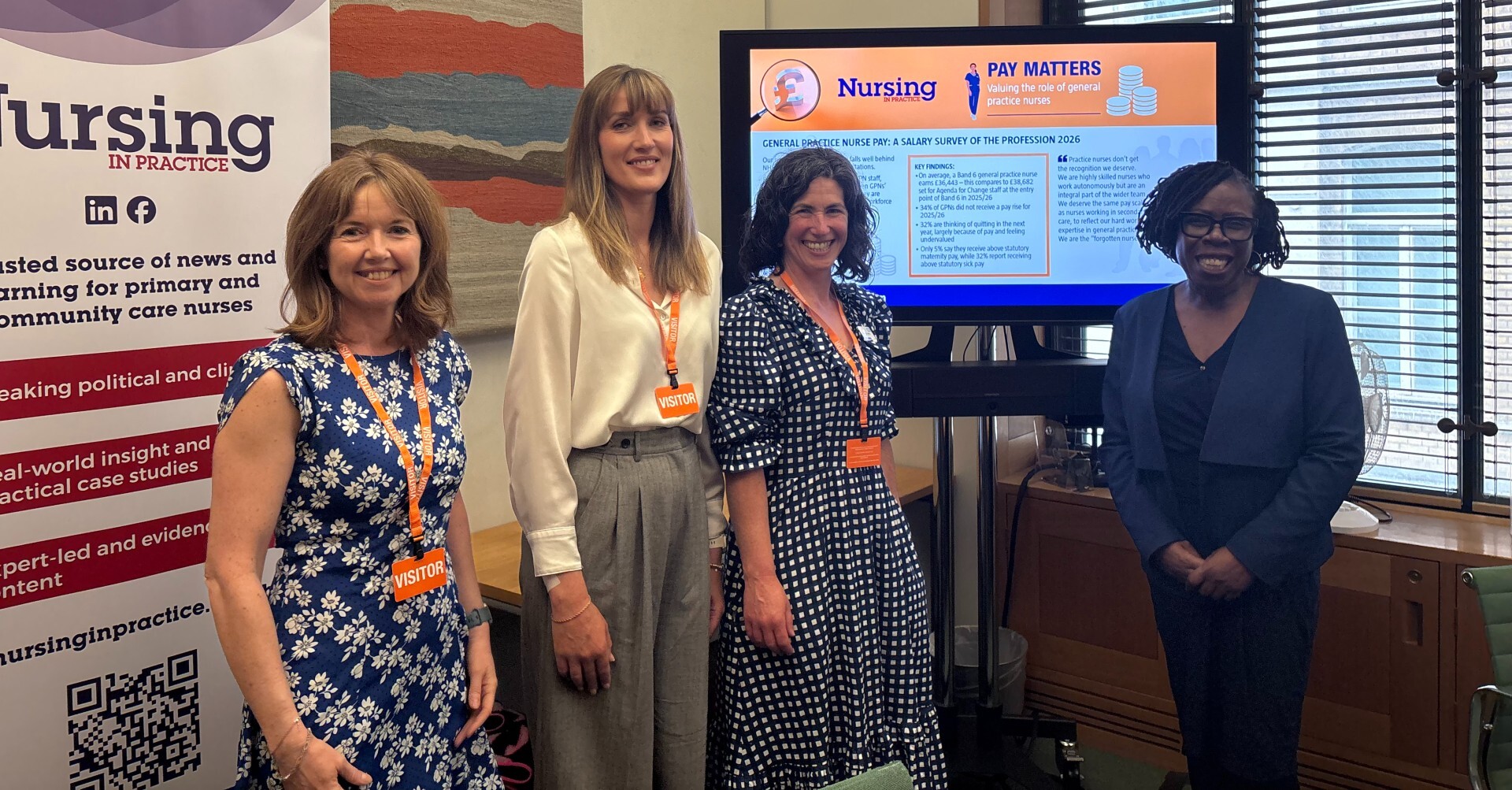
Related Article: Nursing in Practice takes general practice nurse pay concerns to Parliament
On top of this, Ms Lawrence stressed the need for flexible working arrangements for community nurses.
‘I think that flexible working and allowing nurses to work flexibly is really critical,’ she told the committee.
‘Not all areas do that, and not all areas embrace that. Most organisations will have a flexible working policy, but how flexible those are can be are variable.
‘So, I would suggest that if you’re saying, “what can we do with very little money” – that would be the one thing that I think you can do. Flexible working across different professions and particularly in community, I think is really critical.’
Ms Lawrence also highlighted the need for improved career progression for nurses, citing that nursing had more staff working at entry level ‘than any other health profession’.
For those working in community nursing, she said there was also ‘disparity’ when it comes to progression, compared with hospital colleagues.
‘In community it’s not paid at the same level as hospital nurses,’ she explained.
‘So, if you took a district nurse as an example, they tend to be a Band 6, whereas in a hospital a ward manager will be a Band 7.
‘A district nurse could be managing a caseload of hundreds of patients, as opposed to a ward of 30 to 40 patients.
Related Article: NHSE sets out instructions for trusts on Band 5 nurse role review
They are prescribers, they are advanced practitioners and they don’t just manage the patient caseload, they manage their teams as well.
‘So, I think there’s a lot specifically around progression for community nursing, and particularly for district nursing that causes specific issues.’
Her concerns follow the launch of new research from the QICN which found experienced community nurses are being forced to accept lower paid roles because of a lack of flexible working opportunities and to escape toxic workplaces.
Another priority for the government must be to ensure protected learning time for continuing professional development (CPD) for community nurses, Ms Lawrence suggested.
‘Nurses don’t have protected learning time like other professions,’ she told the committee. ‘I think that is really important going forwards.’
A recent survey by Nursing in Practice revealed almost 60% of practice nursing staff are not given any time for professional development or training on a weekly basis.
Ms Lawrence suggested while there was funding available to support nurses’ CPD, they lacked the ability to ‘down tools and be able to undertake the CPD in the first place’.
Related Article: NMC unveils ‘anti-racism’ principles for nursing practice and education
Other issues discussed included the declining pipeline of nursing students and those wanting to have a career in community settings, as well as concerns around falling international recruitment.
The QICN chief executive was joined by Professor Kamila Hawthorne, chair of the Royal College of General Practitioners Council and Amandeep Doll, director for England at the Royal Pharmaceutical Society.
In her Autumn Budget statement on Wednesday, chancellor Rachel Reeves pledged to use efficiency savings to ensure ‘more nurses’ worked across the health service.

See how our symptom tool can help you make better sense of patient presentations
Click here to search a symptom