New requirements on patient access unveiled in GP contract



Patients identified by practices as ‘clinically urgent’ must be ‘dealt with’ on the same day as part of a new requirement set out in the latest GP contract.
GP practices are also being told they must no longer ask patients to ‘call back another day’, according to a letter sent to GP practices this week.
NHS England’s national director for primary care Dr Amanda Doyle confirmed on Tuesday an investment of £485m into general practice and set out several changes that will come in under the 2026/27 GP contract.
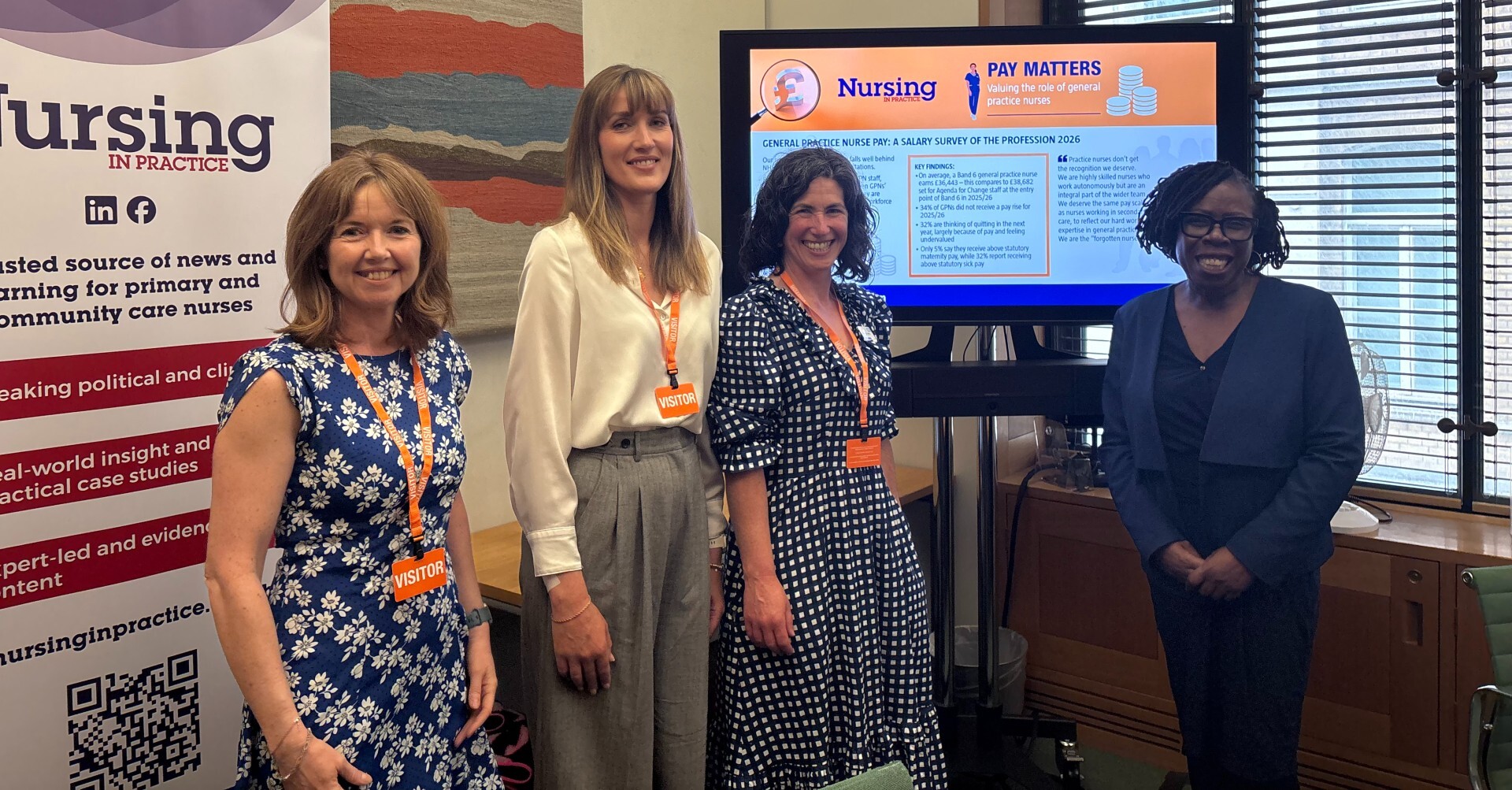
Related Article: Nursing in Practice takes general practice nurse pay concerns to Parliament
As part of this, it was announced the contract will require that practices ‘must not ask patients to call back, or make contact, on another day’.
An amendment will be made to the existing ‘appropriate response’ requirement to provide ‘greater flexibility’ for non-clinically urgent contacts, NHS England said.
‘Practices will still need to provide patients with a timely appropriate response confirming next steps, but this will be required by the end of the next working day (rather than within the same core hours period),’ the letter added.
Changes will also be made to online consultations, with the core practice contract explicitly requiring that online consultation systems ‘must not cap the number of requests that can be submitted during core hours’.
This is to ensure patients are able to contact their practice throughout core hours ‘via all routes’ of access. Online consultations should operate with the ‘same parity’ as telephone and walk-in access, according to NHS England.
Related Article: NHSE sets out instructions for trusts on Band 5 nurse role review
A new requirement will also mean that ‘patients identified as clinically urgent will be dealt with on the same day’. The letter explained it would be up to GP practices to determine which patients are clinically urgent.
As reported previously, a new GP reimbursement scheme to enable practices to recruit new GPs or increase the number of sessions from GPs already working in the practice has also been unveiled under the new contract
In the letter, it states this change will ‘support clinically urgent same day access in general practice’.
The GP contract was criticised by the Queen’s Institute of Community Nursing (QICN) and the Royal College of Nursing (RCN) for appearing to focus ‘solely on the medical workforce’.
Related Article: NMC unveils ‘anti-racism’ principles for nursing practice and education
QICN’s Steph Lawrence told Nursing in Practice that general practice nurses (GPNs) were ‘fundamental’ to many of the changes announced in the contract and that ‘recognising and involving’ the profession in the planning and investment of primary care was therefore ‘essential’.
Patricia Marquis, executive director of RCN, added that ministers are ‘ignoring nurses’ while still expecting them to deliver vaccination and public health programmes.

See how our symptom tool can help you make better sense of patient presentations
Click here to search a symptom