Dementia care that reflects the cultural needs of Black, African and Caribbean communities
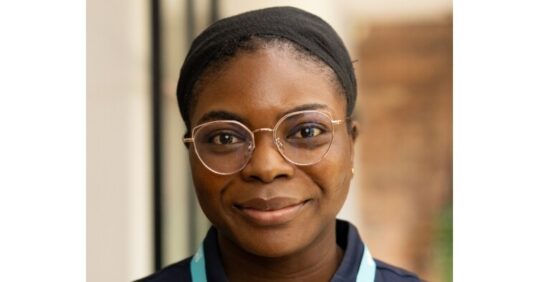


Families from Black, African and Caribbean backgrounds may have limited awareness about dementia or have misconceptions about the condition, says Admiral Nurse Safia Seini
I remember my first day on the ward as an internationally trained nurse – I couldn’t believe how many people were living with dementia. In Ghana – where I’m from – as is the case in many African and Caribbean countries, there isn’t much awareness around dementia.
As I began to educate myself about dementia, I knew I wanted to become a Dementia Specialist Admiral Nurse.
I am one of two Admiral Nurses leading a service recently launched by Dementia UK, the specialist dementia nursing charity, to provide culturally tailored advice and support to families from Black, African and Caribbean communities.
Related Article: Lyme disease: what nurses need to know
In my previous role, I worked as a Diverse Communities Admiral Nurse, which opened my eyes to the unique challenges that families from underrepresented communities face when accessing dementia care and support.
What are some of the barriers to care families face?
Dementia rates are 20% higher among Black adults compared to the UK average.1 However, the sad truth is that while people from Black, African and Caribbean communities are disproportionately affected by dementia, they experience barriers to specialist care and support.
I believe that one of the biggest reasons for this is the lack of understanding around dementia.
For many years, dementia has been mistakenly viewed as a mental health condition, which has contributed to cultural misconceptions within Black, African and Caribbean communities. People with dementia are often considered as being ‘mad’, ‘crazy’, or even ‘cursed’ – beliefs that can carry deep stigma. In some languages – including my own, Twi and Dagbani – there isn’t even a word for dementia, making it harder to have open, informed conversations about the condition.
In my experience of supporting families from Black, African and Caribbean backgrounds, I’ve observed that limited awareness about dementia often leads to confusion after diagnosis. Many families are unfamiliar with the different types of dementia, the treatment pathways that follow and the support services available to them, which can result in disengagement from services and a sense that health and social care professionals are not acting in their best interests.
Raising awareness of dementia within these communities is therefore vital, for instance through developing culturally tailored resources on dementia. This would not only improve understanding and reduce stigma, but would also encourage early engagement with services, promote trust in healthcare systems, and ensure that individuals and their families feel empowered to make informed decisions about care and support.
Family values also play a central role in many Black, African and Caribbean communities. As a result, family members from these backgrounds who care for someone with dementia may be reluctant to seek external support, fearing it will be seen as a personal failure or an inability to care for their loved ones. This deep sense of responsibility can lead to isolation and burnout – which is where culturally sensitive advice and support comes into play.
Related Article: Specialist children’s nursing workforce ‘under intense pressure’
Why is culturally sensitive care so important?
Many of the families I’ve supported have described feeling overlooked by dementia services that are not designed with their cultural context in mind. For example, standard diagnostic assessment tools often lack cultural nuance, relying heavily on references to English history or politics which may not resonate with individuals who have migrated to the UK from other countries. This might not only lead to inaccurate assessments but could also result in families from these communities disengaging from diagnosis or care pathways.
The first crucial step toward improvement is acknowledging that current dementia services are not meeting the needs of Black, African and Caribbean communities. It’s essential to actively seek and listen to the perspectives of families from these communities, using communication methods that are accessible and meaningful to them. This inclusive approach can help shape services that are truly responsive and culturally appropriate.
When it comes to supporting someone with dementia, cultural humility and person-centred care is essential to better support families from underrepresented communities. Dementia affects each person differently, and effective care must reflect the individual’s unique background, values and life history. By taking the time to understand who the person was before their diagnosis – their likes, dislikes, routines and cultural identity – healthcare professionals can provide more meaningful, respectful and effective support.
This kind of culturally tailored advice and support is at the heart of what Dementia UK offers through its Black, African and Caribbean Communities Admiral Nurse Clinic. Each appointment lasts 45 minutes, giving families the time and space to share their experiences openly. By allowing them to lead the conversation, I can listen deeply, understand their needs, and provide personalised advice and support – all informed by an awareness of the cultural nuances that shape their journey.
Dementia UK, the specialist dementia nursing charity, is committed to ensuring all families with dementia have equitable access to the care they need. The charity has recently launched a new Admiral Nurse service to deliver culturally sensitive dementia support and advice for Black, African and Caribbean communities. To find out more visit: dementiauk.org/bacc
Related Article: Over one million switched to combined asthma inhalers since NICE update
Reference
1 https://dementiastatistics.org/perceptions-and-inequalities/inequalities/

See how our symptom tool can help you make better sense of patient presentations
Click here to search a symptom