‘Person-centred care must never mean placing GPNs in unsafe situations’
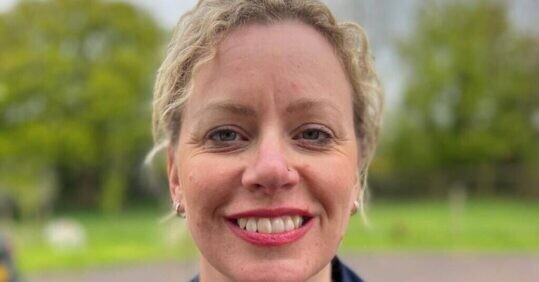


Primary care nurse lead Frances Baverstock provides a general practice nursing perspective on a recent debate at the Royal College of Nursing Congress, which saw calls for a ‘more realistic framework’ for delivering person-centred care. She explores the growing pressures facing general practice nursing and the need for a model of person-centred care that protects both patients and staff through proper investment, workforce support, and recognition of the vital role general practice nurses play within the wider healthcare system.
I want to speak honestly about the realities currently facing primary care nursing.
Within general practice, we continue to face sustained and ongoing underfunding, while at the same time managing ever-increasing pressures and higher expectations from our patients which is often fuelled by what is trending on social media.
I work with nurses who are triaging 200 plus people a day, deciding who can have an appointment and who will be asked to call back again tomorrow. These are often people with chronic co-morbidities who are continually pushed to the back of a queue because we don’t have the appointments to offer.
This is not person-centred care.
Related Article: ‘We told MPs of the longstanding inequities facing nurses in general practice’
As a result many attend appointments with general practice nurses instead, bringing additional concerns and questions they had hoped to discuss with a GP.
This places significant and often unfair pressure on general practice nurses, who must then explain – professionally and compassionately – that certain conditions or concerns fall outside their scope of practice.
These conversations are not always easy.
General practice nurses frequently work alone in clinical rooms, in potentially vulnerable situations with patients whose expectations may go beyond what that nurse is trained, qualified, or professionally indemnified to manage safely within their scope of practice.
Person-centred care must never mean placing staff in unsafe situations or expecting them to work beyond their competence in order to compensate for wider system pressures.
At the same time, more and more workload continues to shift into general practice nursing, as part of the move from secondary care to community care.
We are increasingly responsible for the management of long-term conditions, minor illness services, non-medical prescribing, preventative care, lifestyle management and discussions around newer medications such as GLP-1/ weight loss therapies.
Related Article: Addressing health inequalities in dementia care
These are all valuable and important areas of patient care.
But patient expectations continue to rise without the workforce planning, education, infrastructure, or investment needed to support them safely.
A realistic model of person-centred care is now urgently required – one that protects both patients and staff.
True compassion means being honest about what healthcare services can realistically and safely provide. It means setting achievable expectations, supporting equitable access to care, and ensuring that healthcare professionals are able to practise safely without reaching breaking point.
Without clear professional boundaries, protected scope of practice, appropriate education, and meaningful investment in the workforce, the pressures on general practice nurses will continue to escalate.
Related Article: We took nurse pay concerns to MPs, but what do we do next?
General practice nurses remain deeply committed to improving patient outcomes, supporting prevention, and delivering high-quality patient centred, safe and equitable care within our communities.
Without properly supported nurses in primary care the pressure on the entire healthcare system will only continue to grow.
Primary care nurse lead Frances Baverstock is a member of the RCN General Practice Nurse Forum

See how our symptom tool can help you make better sense of patient presentations
Click here to search a symptom