‘We told MPs of the longstanding inequities facing nurses in general practice’
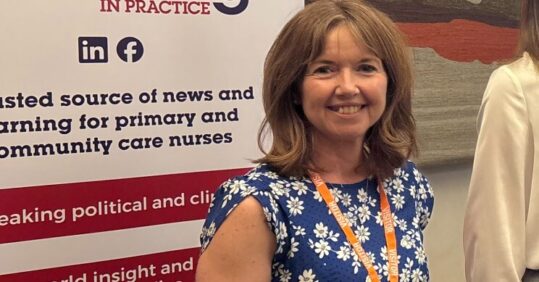


Dr Helen Anderson reflects on her recent trip to Parliament where she joined Nursing in Practice, MPs, general practice nurses (GPNs), and GP and practice manager representatives to discuss issues around GPN pay, terms and conditions. Here, she sets out the changes she wants to see for the profession and the importance of moving forward collectively to raise the voices of nurses in general practice
Nursing in Practice invited me to attend a Parliamentary event on 3 June for the launch of the General practice nurse pay: A salary survey of the profession 2026 report – supported by Liberal Democrat MP Edward Morello, who highlighted ‘the vital role general practice nurses play in our NHS’ and ‘the unfairness within the pay system’. Nursing in Practice presented its recent survey findings which are backed by the Royal College of Nursing.
Among a range of issues, it found that in 2025/26 general practice nurses’ salaries were far lower than their NHS counterparts, while only 5% received maternity pay beyond statuary payments and only 32% had sick pay above statutory levels.
Related Article: Addressing health inequalities in dementia care
The event was a great opportunity to raise awareness of the inequities facing nurses working in general practice. Most people do not know that the majority of nurses working in general practice are not employed by the NHS and that they are not entitled to the same pay, terms and conditions as nurses employed within the NHS, who have standardised pay according to their Banding, are entitled to sick and maternity pay, and have mandated annual leave.
In contrast, nurses in general practice have to negotiate their own pay, terms and conditions directly with their employers, which brings about its own challenges. My research found that nurses may face hostility from their GP employers if the try to negotiate improvements in pay terms and conditions commensurate with their skill and knowledge. All this affects recruitment and retention, as well as broader wellbeing.
This is important because nurses in general practice deliver 84 million patient contacts per year, while between one in four and one in two GPN roles are predicted to go unfilled by 2031 if steps are not taken to address recruitment and retention.
The 10 Year Plan relies on nurses in general practice if the shift from hospital to community care, and neighbourhood health ambitions, are to be achieved. To this end I would like to see:
Related Article: We took nurse pay concerns to MPs, but what do we do next?
- Terms and conditions that keep pace with Agenda for Change, including maternity and sick pay
- Nurse leadership mandated and financed at primary care network level
- Government mandating and financing of general practice nurse leadership on all committees and boards
- A cultural shift in the way nurses are considered in strategic healthcare development.
Involving and listening to nurses in general practice is not a “nice to do” or something that should be gate-kept by others, including GPs and practice managers (which is often the case), as well as inhibited by society’s perceptions of nursing more broadly. Nurses need an equal seat at the table and strong professional representation.
The Parliamentary meeting gathered MPs, including representatives from the Health and Social Care Committee, the RCN, GPNs, general practitioner and general practice manager representatives as well as myself, as a researcher of general practice nursing workforces, to discuss the issues related to inequitable pay, terms and conditions. It was valuable to be able to highlight to MPs directly what one MP described as ‘a longstanding inequity’ impacting on the ‘wellbeing of staff at a time when we really, really need to boost it’ and to present strong arguments for the need for nurses in general practice to be at the decision making table.
The meeting provided lots of opportunities for networking and there are plans for representatives of different groups, facilitated by Nursing in Practice, to develop further discussions about how we can move forward collectively to raise the voices of nurses in general practice.
Related Article: ‘Practices can’t commit to a pay rise for nurses that they can’t afford’
I hope that this will lead to fruitful collaborations to strengthen opportunities for general practice nurses.
The funding issues in general practice are complex and challenging to solve, but by using the evidence base to argue for equitable treatment, the experiences of nurses in general practice, and consequently the onward impact on patient care, can potentially be improved.

See how our symptom tool can help you make better sense of patient presentations
Click here to search a symptom